Dry indoor air often appears without warning and affects daily comfort in subtle ways. Many homeowners notice dry skin, static shocks, or a scratchy throat during colder months. These signs often indicate low humidity in the home environment. Over time, this dryness can affect both personal well-being and household materials. A humidifier adds moisture back into the air and helps restore a more comfortable living space.
What Is a Humidifier and How It Works
A humidifier is a device that adds moisture to indoor air to improve comfort. This function helps balance humidity levels that drop during colder seasons or when air conditioning is used. Dry indoor air often leads to irritation, discomfort, and minor health concerns. Understanding how a humidifier works allows homeowners to use it effectively and maintain a balanced environment.
Basic Function of a Humidifier
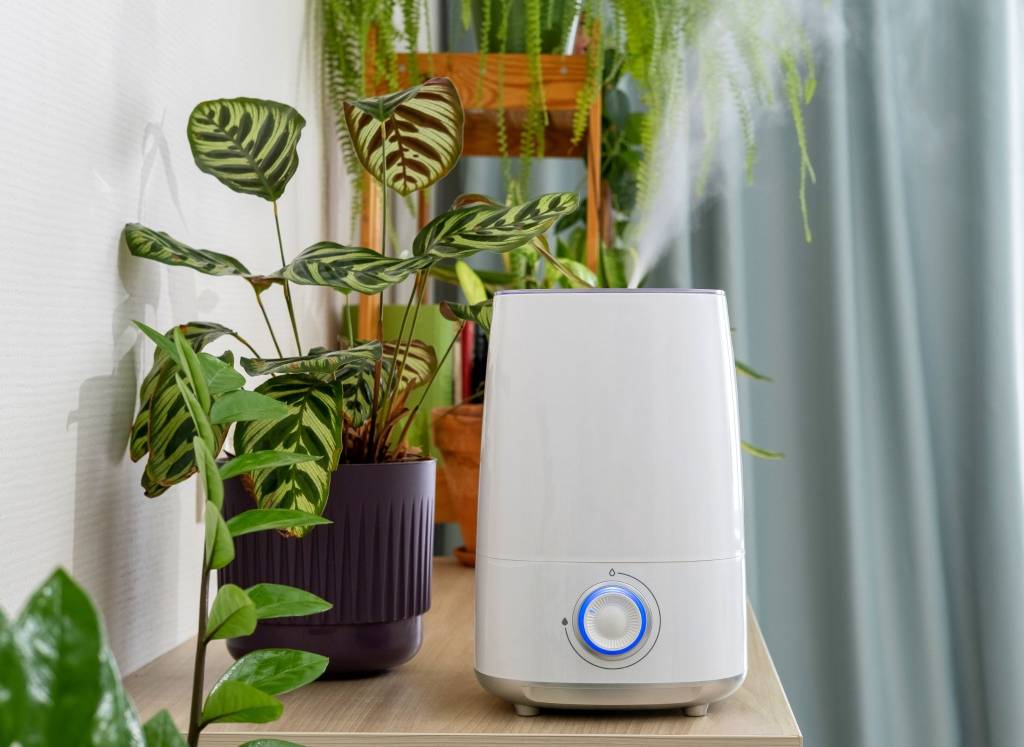
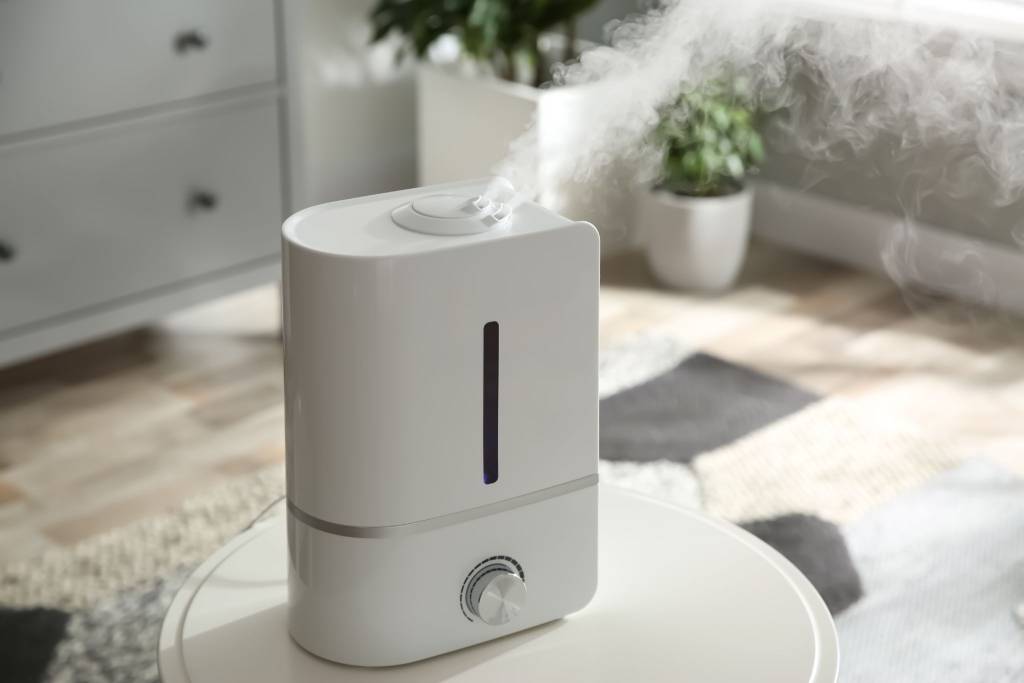
A humidifier releases moisture into the air through mist or vapor to increase humidity levels. This process begins when the device pulls in dry air and passes it through a moisture system. Most units include a water tank, a misting mechanism, and a fan or outlet. This airflow system helps evenly distribute moisture throughout the room. Some models include adjustable controls that allow users to set preferred humidity levels. Advanced units use sensors to automatically maintain consistent conditions. This operation keeps indoor air comfortable and reduces discomfort caused by dryness.
Types of Home Humidifiers
Humidifiers come in several types, and each one uses a different method to release moisture. Evaporative models use a wick filter and a fan to disperse water into the air naturally. Ultrasonic units create a fine mist using high-frequency vibrations and operate quietly. Steam vaporizers heat water to produce warm moisture, which can feel soothing in colder months. Impeller humidifiers use rotating disks to create a cool mist for circulation. Each type offers unique advantages depending on room size, noise preference, and maintenance needs. This variety allows homeowners to choose a model that fits their daily routine.
How Indoor Humidity Gets Measured
Humidity refers to the amount of moisture present in the air within a home. This measurement is usually expressed as a percentage using a hygrometer or built-in sensor. Experts, including guidance from the Environmental Protection Agency, suggest maintaining levels between 30 and 50 percent. This range helps prevent dryness while reducing the risk of excess moisture problems. When humidity drops too low, the air feels dry and uncomfortable. When levels rise too high, mold and dust mites may develop. This balance helps maintain a healthy and stable indoor environment.
Why Indoor Humidity Levels Matter
Indoor humidity levels affect comfort, health, and the condition of household materials. This balance becomes more noticeable during winter or in air-conditioned environments. Low humidity often creates dry, irritating conditions that disrupt daily life. Maintaining proper moisture levels supports a more stable, comfortable indoor environment.
Dry Air Effects on Health and Comfort
Dry air can irritate the skin, throat, and nasal passages over time. This dryness often leads to chapped lips, itchy skin, and mild respiratory discomfort. People with allergies or asthma may experience worsened symptoms in dry environments. Low humidity can reduce moisture in the nasal passages, potentially increasing irritation. Proper humidity helps soothe these effects and supports easier breathing. This improvement often leads to better daily comfort and fewer minor irritations.
How Humidity Impacts Sleep Quality
Humidity levels influence sleep comfort by affecting breathing and skin moisture during rest. This dryness can irritate the throat and nasal passages, disrupting sleep patterns. Many people experience snoring or restless sleep when indoor air lacks moisture. A humidifier helps create a more balanced sleeping environment by adding gentle moisture. This adjustment supports smoother breathing and reduces nighttime discomfort. Over time, better humidity levels can improve overall sleep quality and daily energy.
Effects on Furniture and Materials
Low humidity can damage household materials, especially wood and delicate items. This dryness may cause wooden floors and furniture to crack or warp over time. Musical instruments and artwork can also lose integrity in dry conditions. Static electricity becomes more noticeable and may affect electronic devices. Balanced humidity helps protect these items and maintain their condition. This protection reduces long-term wear and supports a more stable indoor environment.
Benefits of Using a Humidifier at Home
A humidifier improves indoor comfort by addressing dry air conditions directly. This device maintains balanced moisture levels throughout the day. Homeowners often notice gradual improvements in comfort and air quality. Consistent use helps create a more enjoyable and stable living space.
Respiratory Relief and Wellness Support
Humidifiers help reduce dryness that affects the respiratory system and overall comfort. This added moisture can ease coughing, congestion, and throat irritation. People dealing with seasonal colds often benefit from improved air moisture. Additionally, balanced humidity supports clearer breathing and reduces airway irritation. Some clinical observations, based on recent respiratory care data, support the role of moisture in easing mild symptoms. This support makes daily breathing feel more comfortable and less strained.
Skin Hydration and Personal Comfort
Indoor dryness often leads to rough skin and discomfort during colder months. This lack of moisture can strip the skin’s surface of natural oils. A humidifier helps restore balance by adding moisture back into the air. This improvement can reduce dryness and support a smoother skin texture. Hair may also feel softer and less prone to breakage. This effect contributes to overall personal comfort within the home.
Energy Savings and Winter Comfort
Humid air can feel warmer than dry air, even at lower temperatures. This effect allows homeowners to rely less on heating systems during colder seasons. As a result, energy use may decrease while comfort remains consistent. A humidifier supports this balance by maintaining proper moisture levels. This adjustment creates a cozier indoor environment without increasing energy demands. Over time, this approach may contribute to more efficient home energy use.
Choosing the Right Humidifier Model
Choosing a humidifier depends on your home size, preferences, and daily needs. This decision affects how well the device performs in different spaces. Various models offer different features, noise levels, and maintenance requirements. Understanding these factors helps homeowners select a unit that fits their lifestyle.
Room Size and Coverage Needs
Humidifiers come in different sizes, each designed for a specific room capacity. This sizing determines how effectively the unit adds moisture to the air. Smaller units work well in bedrooms or compact spaces. Larger models can cover open areas such as living rooms or shared spaces. Matching the unit to the room size helps maintain balanced humidity. This alignment prevents underperformance or excessive moisture buildup.
Maintenance and Cleaning Requirements
Maintenance plays a direct role in a humidifier’s performance and safety. This care includes cleaning the water tank and replacing filters when needed. Regular cleaning helps prevent bacteria and mold growth inside the unit. Some models offer simpler designs that make maintenance easier. Choosing a unit with manageable upkeep supports long-term use. This routine keeps the air clean and the device working efficiently.
Noise Levels and Ideal Placement
Noise levels vary depending on the type of humidifier you choose. This factor becomes important in bedrooms or quiet environments. Ultrasonic models tend to operate more quietly than fan-based units. Placement also affects performance and overall effectiveness. Keeping the unit on a flat surface helps evenly distribute moisture. This positioning improves airflow and enhances comfort throughout the room.
Whole-House vs. Portable Humidifiers
Whole-house humidifiers connect to HVAC systems and cover larger areas. This system provides consistent humidity throughout the entire home. Portable units, in contrast, focus on individual rooms or smaller spaces. These units offer flexibility and easier installation for most homeowners. Whole-house systems often require professional setup and higher upfront costs. This comparison helps determine which option fits your home setup and long-term needs.
Humidifier Care and Safe Usage Tips
Proper use and maintenance keep a humidifier working safely and effectively. This care prevents issues related to excess moisture or poor air quality. Small daily habits can improve performance and extend the device’s lifespan. Following simple guidelines helps maintain a clean and balanced indoor environment.
Ideal Indoor Humidity Levels
Indoor humidity should stay within a range that supports comfort and health. This range usually falls between 30 and 50 percent for most homes. Levels below this range can cause dryness and irritation. Higher levels may encourage mold growth and dust mites. Many humidifiers include built-in controls to help maintain balance. This monitoring keeps indoor air comfortable and safe for daily use.
Daily Usage and Safety Practices
Safe operation starts with placing the humidifier on a stable surface. This placement helps prevent spills and ensures proper airflow. Using clean water reduces the risk of mineral buildup inside the unit. It is also helpful to empty the tank when the device is not in use. Turning off the unit when not needed improves safety and efficiency. This approach keeps the device functioning properly over time.
Cleaning to Prevent Mold and Bacteria
Cleaning a humidifier helps maintain indoor air quality and overall device performance. This process involves regularly emptying and rinsing the water tank. Using mild cleaning solutions removes buildup and prevents contamination. Drying all parts before reassembly helps reduce moisture-related issues. Filters should be replaced based on the manufacturer’s guidelines. This routine keeps the humidifier safe and reliable for long-term use.
Improve Comfort With a Humidifier Today
A humidifier gives you direct control over indoor air, which is often ignored until discomfort builds. This solution helps reduce dryness before it affects your health, sleep, or home surfaces. Consulting an HVAC professional can help you choose the right system for your home and long-term needs. A simple adjustment in humidity can change how your home feels every single day.
Learn what works for your home and explore expert advice on the Air Maxx of Charlotte, Inc. blog now.