Cold rooms often signal trouble long before a system completely fails. Many homeowners rely on steady heat but rarely think about routine upkeep. Small issues build over time and quietly affect comfort and energy costs. Ignoring these changes can lead to sudden breakdowns and expensive repairs. Understanding when to service your heating system helps maintain comfort and avoid disruption.
Why Heating System Maintenance Matters
Heating system maintenance keeps equipment running efficiently and reduces the risk of failure. Over time, dust and wear affect how well your system performs. Regular servicing restores performance and helps avoid sudden disruptions. This maintenance routine supports comfort while controlling energy costs.
Prevents Heating System Breakdowns
Unexpected breakdowns often stem from small issues that go unnoticed over time. Components wear down gradually and can fail without regular inspection. Professional heating services help identify these weak points before they cause disruptions. This preventive approach reduces the risk of heat loss during colder periods. Homeowners experience fewer emergency repairs and less inconvenience. Reliable operation becomes easier to maintain with consistent care.
Improves Energy Efficiency at Home
Energy use increases when a system struggles to perform efficiently. Dust buildup and restricted airflow force equipment to work harder than necessary. This added strain results in higher utility bills and uneven heating. Routine servicing restores proper function and improves airflow throughout the home. As performance improves, energy consumption becomes more manageable. Over time, homeowners notice more stable and predictable costs.
Extend Heating System Lifespan
A longer system lifespan depends on how well components are maintained over time. Wear and tear affect performance when parts operate under stress. Regular servicing reduces this strain and keeps key components in better condition. This approach helps delay the need for a costly replacement. Homeowners gain more value from their existing system with proper care. Consistent upkeep supports reliable performance even as the system ages.
How Often to Service Heating Systems
Heating system maintenance should occur at least once a year for most homes. This schedule allows technicians to inspect and prepare the system for regular use. Some homes may require more frequent servicing based on usage and conditions. This maintenance timing keeps performance steady throughout the year.
Annual Heating Maintenance Schedule
Most HVAC professionals recommend scheduling service once a year for reliable performance. This timing allows technicians to inspect and prepare the system before heavy use begins. Routine visits help detect small issues before they develop further. Homeowners benefit from steady heating during colder months. Regular checkups also support efficient operation and reduce strain on components. Industry guidance continues to support annual servicing as a dependable standard.
When to Schedule Extra Service Visits
Certain conditions call for more frequent attention to maintain system performance. Older equipment often requires additional care as parts begin to wear down. Homes with pets or higher dust levels can experience faster buildup inside the system. Extended periods of heavy use also increase overall strain on components. In these cases, scheduling service twice a year helps maintain efficiency. Extra attention reduces the likelihood of unexpected issues.
Maintenance by System Type
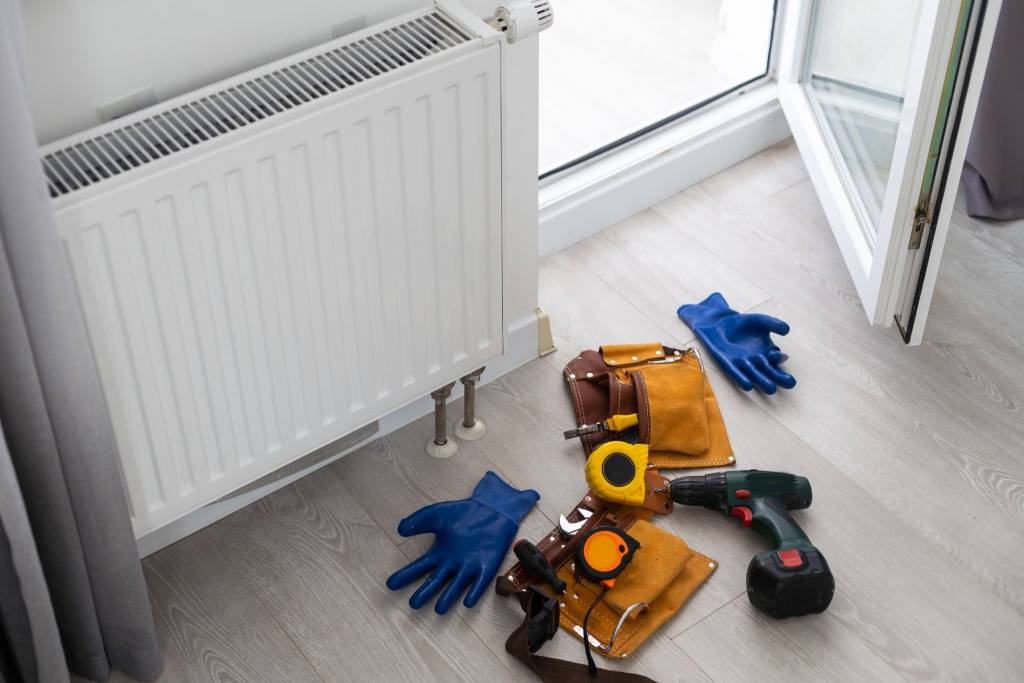
Service needs vary depending on the type of heating system installed in the home. Furnaces generally require annual inspections to ensure safe, steady operation. Heat pumps often need servicing twice a year since they run throughout multiple seasons. Boilers require careful checks to monitor pressure levels and internal components. Understanding these differences helps homeowners follow the right service schedule. Proper care tailored to the system improves reliability and efficiency.
Microclimate Impact on Maintenance
Heating system maintenance frequency often depends on the home’s immediate environment. Factors like humidity, dust levels, insulation gaps, and nearby construction can affect system performance. Homes in humid conditions may experience faster component wear due to moisture buildup. Dusty surroundings can clog filters more quickly and restrict airflow. Poor insulation forces the system to work harder to maintain indoor temperatures. Understanding these microclimate factors helps homeowners adjust maintenance schedules for better performance and reliability.
Signs You Need Heating System Maintenance
Heating system maintenance becomes urgent when clear warning signs appear. Systems often show subtle changes before performance declines further. Recognizing these signs helps homeowners address issues quickly. This awareness prevents small problems from growing into costly repairs.
Strange Noises or Unusual Smells
Unusual sounds or odors often signal that something is not working as it should. Rattling or banging noises can point to loose or worn internal parts. Burning smells may indicate dust buildup or potential electrical concerns. These warning signs usually appear before more serious problems develop. Ignoring them can lead to costly repairs or safety risks. Prompt attention helps restore quiet and safe operation.
Uneven Heating in the Home
Inconsistent temperatures across rooms suggest airflow or system performance issues. Some areas may feel colder due to blocked vents or failing components. Poor circulation forces the system to work harder to maintain comfort. Servicing helps identify the cause and restore balanced airflow. Homeowners notice improved comfort after addressing these issues. Even heating also reduces unnecessary strain on the system.
Rising Energy Bills Quickly
A sudden increase in energy costs often reflects declining system efficiency. Equipment uses more energy when it struggles to maintain desired temperatures. This change can happen gradually and go unnoticed at first. Monitoring utility bills helps reveal unusual patterns over time. Servicing restores efficiency and stabilizes energy usage. Lower energy consumption leads to more predictable monthly expenses.
Short Cycling and Frequent Stops
Frequent starting and stopping usually indicate an underlying system issue. This pattern, known as short cycling, increases component wear. It can result from thermostat problems or internal malfunctions. Continued cycling reduces efficiency and shortens system lifespan. Professional servicing helps diagnose and correct the issue. Stable operation improves both comfort and performance.
What Heating Maintenance Includes
Heating system maintenance involves inspection, cleaning, and system testing. Technicians follow a structured process to improve performance and safety. Each step focuses on preventing issues and maintaining efficiency. This service routine keeps the system operating at its best.
Cleaning and Component Inspection
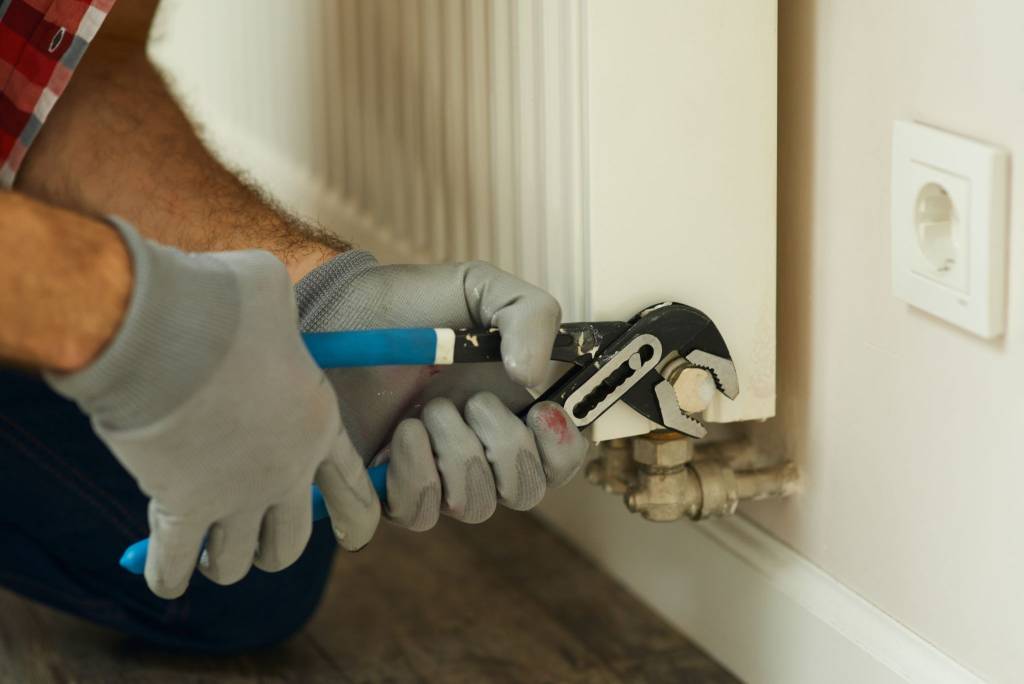
Routine service includes cleaning key components and checking them for wear. Filters, burners, and coils often collect dust, which can affect performance. Removing this buildup improves airflow and helps the system run smoothly. Technicians also look for worn or damaged parts during inspection. Early detection prevents small issues from developing into costly repairs. Clean, well-checked components ensure consistent heating.
Safety Checks and System Testing
Service visits also focus on safety checks to protect the home and its occupants. Technicians inspect for gas leaks, electrical faults, and carbon monoxide risks. These checks help identify hidden dangers before they become serious concerns. System controls are tested to confirm proper operation under normal conditions. Accurate testing supports safe and steady performance. Regular evaluations reduce the chance of hazardous malfunctions.
Minor Repairs and Adjustments
Small repairs and adjustments help maintain system performance between major service needs. Technicians tighten connections and calibrate thermostats for accurate temperature control. These fixes improve efficiency and reduce unnecessary strain on components. Addressing minor issues early prevents more complex problems later. Homeowners notice better system response after adjustments. Consistent tuning supports reliable heating.
Airflow and Duct Performance Check
Airflow checks play a key role in maintaining proper heating throughout the home. Technicians inspect ducts and vents for blockages, leaks, or buildup. Restricted airflow can reduce comfort and increase system strain. Clearing these issues restores balanced air distribution in each room. Improved airflow helps the system operate more efficiently. This process supports both comfort and long-term performance.
Heating Maintenance and Indoor Air Quality
Heating system maintenance directly influences the air you breathe inside your home. As the system circulates air, it can also spread dust, allergens, and other particles if not properly maintained. Dirty filters and unclean ducts allow these contaminants to move freely through living spaces. Regular maintenance removes buildup and helps keep airflow clean and balanced. This improvement supports better comfort, especially for households with allergies or sensitivities. Improved indoor air quality and steady airflow support a healthier and more comfortable home environment.
DIY Heating Maintenance Tips
Heating system maintenance also includes simple tasks homeowners can handle between service visits. These steps help maintain system performance and efficiency. Regular attention prevents small issues from developing further. This homeowner’s effort supports professional maintenance results.
Replace Air Filters Regularly
Air filters play a central role in keeping airflow clean and unrestricted. Over time, they collect dust, debris, and other airborne particles. Clogged filters reduce efficiency and force the system to work harder. Replacing them every one to three months helps maintain proper airflow. Cleaner filters also improve indoor air quality. This simple step improves both performance and comfort.
Keep Vents and Registers Clear
Blocked vents can limit airflow and affect overall heating performance. Furniture, rugs, or debris often cover these openings without notice. Keeping them clear allows warm air to circulate evenly throughout the home. Improved circulation reduces strain on system components. This adjustment helps maintain consistent temperatures in each room. Regular checks keep airflow balanced and effective.
Check Thermostat Performance
Thermostats control how the heating system responds to temperature changes. Incorrect settings can lead to uneven heating or wasted energy. Checking accuracy helps maintain consistent comfort throughout the home. Programmable models offer better control through scheduled temperature adjustments. Upgrading may improve both convenience and efficiency. Proper thermostat use supports steady and reliable operation.
Heating Maintenance Costs and Savings
Heating system maintenance costs remain lower than the expense of unexpected repairs. Regular servicing helps homeowners avoid sudden financial strain. Efficient systems also reduce ongoing energy expenses. This cost balance makes maintenance a practical long-term choice.
Maintenance vs Repair Costs
Routine service costs remain lower than most unexpected repair expenses. Small issues fixed during scheduled visits prevent larger problems later. Delayed care often leads to more expensive component failures. Predictable service costs make it easier to plan household budgets. Homeowners avoid sudden financial strain with consistent upkeep. Preventive care helps control long-term expenses.
Long-Term Energy Savings
Efficient systems use less energy to maintain comfortable indoor temperatures. Performance declines when components become dirty or worn. Regular servicing helps restore efficiency and reduce energy waste. Lower energy use leads to steady savings on monthly bills. These savings gradually offset the cost of maintenance. Consistent care supports better financial control over time.
Maintenance Plans and Service Options
Service plans provide a structured approach to ongoing system care. Many providers include scheduled visits and discounted repair rates. Homeowners benefit from consistent service without having to track appointments. These plans also reduce costs when unexpected issues arise. A structured schedule supports reliable system performance year-round. This option adds convenience while maintaining system efficiency.
Maintain Reliable Heating System Performance
Heating system maintenance keeps your home consistently warm without unexpected interruptions. Delaying service allows hidden issues to grow and affect daily comfort. Maintaining consistency helps your system run smoothly and use energy more efficiently. This routine care supports long-term performance and reduces avoidable expenses. A steady maintenance plan keeps your heating system dependable when you rely on it most.
Looking for clear, reliable answers about heating care? The Air Maxx of Charlotte, Inc. blog offers straightforward guidance to help you stay prepared year-round.