A quiet home can still hold dangers that no one can see or smell. Many homeowners focus on visible risks, yet hidden hazards often develop without warning. Fire and toxic gas exposure affect families differently, but both can escalate quickly inside enclosed spaces. Confusion about safety devices often leads to gaps that leave homes unprotected. Understanding the difference between a carbon monoxide detector and a smoke detector helps homeowners make informed safety decisions.
Purpose of CO and Smoke Detectors
Carbon monoxide detectors detect toxic gas, while smoke detectors detect particles from burning materials. Each device serves a distinct function that addresses a specific household risk. Homeowners often confuse their roles, leading to incomplete protection. Clear knowledge of their purpose supports better placement and proper usage.
Carbon Monoxide Detector Function
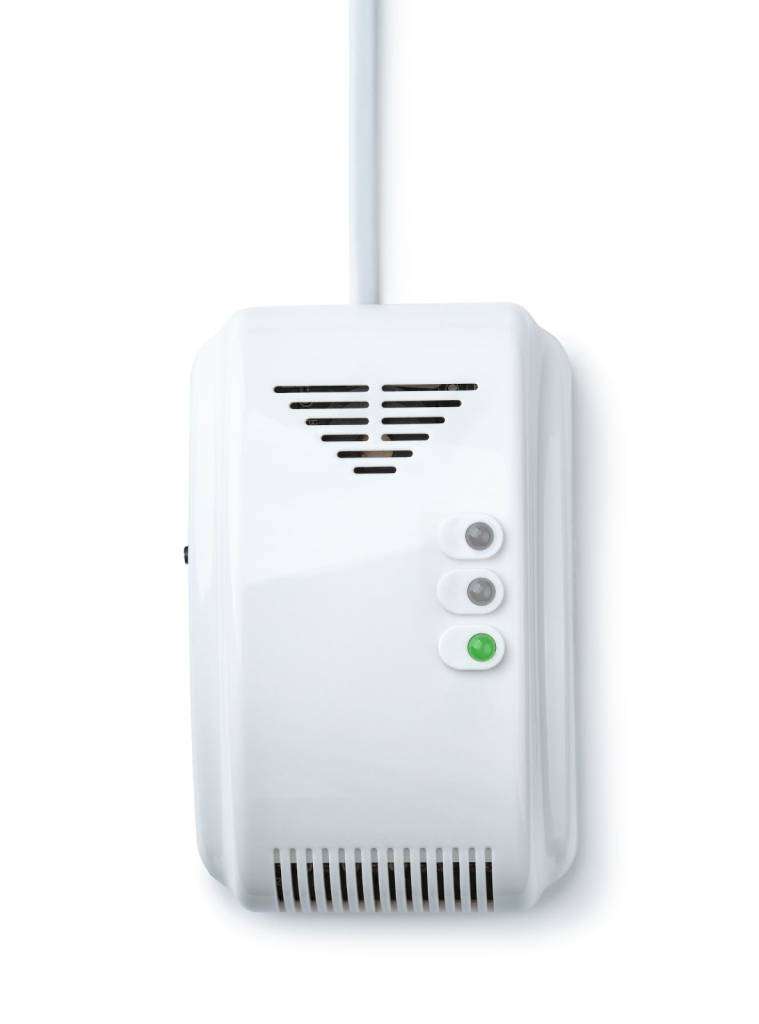
A carbon monoxide detector detects odorless gas produced by the incomplete combustion of fuels. Common sources include gas stoves, furnaces, and attached garages with running vehicles. This device measures gas levels over time instead of reacting instantly to small traces. Prolonged exposure can affect breathing, coordination, and mental awareness without obvious warning signs. Higher concentrations can lead to unconsciousness during sleep, which increases household risk. According to safety guidance from the Centers for Disease Control and Prevention, carbon monoxide remains a leading cause of accidental poisoning in homes.
Smoke Detector Function and Fire Detection
A smoke detector identifies airborne particles released during combustion before flames spread. These devices respond to both fast-burning fires and slow, smoldering sources, such as electrical wiring. Sensors inside the unit trigger alarms once smoke reaches a certain density. This early alert allows occupants to respond before fire growth becomes uncontrollable. Fires often start in kitchens, heating systems, or faulty wiring within walls. Data from the National Fire Protection Association shows that working smoke alarms reduce fire-related deaths in residential settings.
Carbon Monoxide vs Smoke Detector Differences
Carbon monoxide detectors focus on gas exposure, while smoke detectors respond to fire indicators in the air. Each hazard behaves differently, which affects how detection systems respond inside homes. These differences influence alarm timing, sensitivity, and homeowner response. Understanding these distinctions helps prevent reliance on a single device for multiple risks.
Difference in Threat Type and Risk Behavior
Smoke detectors respond to visible and invisible particles from combustion processes. Carbon monoxide detectors focus on toxic gas that spreads evenly without visible signs. Fires can spread rapidly and damage structures within minutes. Carbon monoxide exposure builds gradually but still poses serious health risks. This difference makes each device necessary for full household coverage. Relying on one device leaves either fire or gas exposure undetected.
Alarm Response and Trigger Differences
Smoke detectors trigger alarms quickly once particles reach a defined threshold. Carbon monoxide detectors use time-weighted exposure before sounding an alert. This system prevents false alarms from brief, low-level gas presence. Smoke alarms often produce continuous high-pitched signals that demand immediate action. Carbon monoxide alarms use distinct patterns to indicate the presence of carbon monoxide. Understanding these signals helps homeowners react correctly during emergencies.
Speed and Visibility of Each Hazard
Fire produces visible smoke and heat that signal danger early in many cases. Carbon monoxide is invisible and odorless, making detection impossible without devices. Smoke inhalation can cause harm within minutes of exposure. Carbon monoxide exposure may go unnoticed until symptoms become severe. This difference highlights why both detectors must operate together. Combined protection addresses both immediate and hidden threats effectively.
Detector Placement and Installation Guide
Proper placement improves detection accuracy and reduces false alarms inside the home. Each device follows different placement rules based on how hazards behave in indoor air. Incorrect installation can delay alerts or create nuisance alarms that lead to neglect. Following recommended guidelines improves overall safety coverage.
Where to Install Carbon Monoxide Detectors
Carbon monoxide detectors should be placed near sleeping areas for nighttime safety. Install units near fuel-burning appliances, such as furnaces and water heaters. This placement ensures that gas buildup triggers alerts before exposure increases. Avoid placing detectors near vents, windows, or high-humidity areas. Multi-level homes benefit from installing at least one unit per floor. This placement strategy improves detection across different living spaces.
Ideal Locations for Smoke Detectors at Home
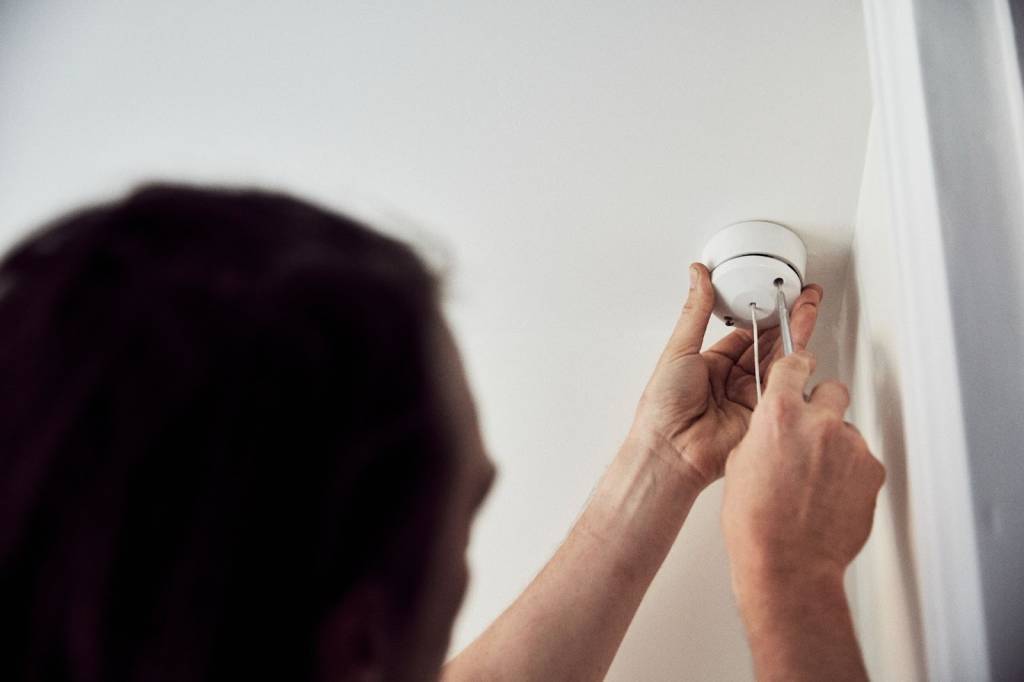
Smoke detectors should be installed on ceilings or high wall positions where smoke rises. Place them inside bedrooms, hallways, and near living areas for full coverage. Avoid installing them too close to kitchens to reduce nuisance alarms. Each level of the home should have at least one working smoke detector. Interconnected systems allow alarms to sound throughout the house simultaneously. This setup improves response time during fire emergencies.
Installation Mistakes That Reduce Effectiveness
Incorrect placement can prevent detectors from responding accurately to hazards. Installing units near airflow sources can disperse smoke or gas before it is detected. Some homeowners install too few detectors, leaving areas without coverage. Ignoring manufacturer instructions can also affect sensor performance. This installation error often delays alerts during critical situations. Proper installation supports faster and more reliable hazard detection.
Do You Need Both CO and Smoke Detectors
Homes require both carbon monoxide and smoke detectors to address different safety risks. Each device targets a unique hazard that the others cannot detect. Relying on a single system creates a gap that increases exposure to unnoticed dangers. Using both devices provides broader protection for occupants and property.
Why One Detector Cannot Replace the Other
A smoke detector cannot sense carbon monoxide gas under any condition. A carbon monoxide detector cannot detect smoke or fire-related particles. This limitation exists because each device uses different sensing technologies. Homeowners who rely on one device risk missing critical warning signs. Safety codes in many regions recommend installing both types of detectors. This dual approach reduces the likelihood of undetected hazards.
Benefits of Combination Smoke and CO Units
Combination detectors include both sensors within a single unit for convenience. These devices save space and simplify installation in smaller homes or apartments. However, placement still needs to follow guidelines for both detection types. Some models include smart features that send alerts to mobile devices. This technology allows homeowners to monitor safety even when away from home. Combination units are best suited for areas where installing separate devices is impractical.
Maintenance and Lifespan of Detectors
Regular maintenance keeps detectors reliable and ready to respond when needed. Each device has a defined lifespan that affects sensor accuracy over time. Ignoring maintenance can lead to failure during critical moments. Simple routines help extend functionality and improve safety performance.
Maintaining a Carbon Monoxide Detector
Carbon monoxide detectors require periodic testing to confirm proper operation. Replace batteries according to manufacturer recommendations to maintain consistent power. Most units need replacement every five to seven years due to sensor limitations. Dust buildup can interfere with accurate gas detection if left unchecked. This maintenance routine helps preserve sensor performance over time. End-of-life alerts often include chirping sounds that signal replacement is needed.
Smoke Detector Maintenance and Replacement Tips
Smoke detectors need regular testing to verify that alarms respond correctly. Replace batteries at least once a year or when low-battery alerts occur. Dust and debris can affect sensor sensitivity and should be cleaned regularly. Most smoke detectors require replacement every ten years for reliable performance. This maintenance practice reduces the chance of failure during a fire event. Ignoring warning chirps can leave the home without active protection.
Common Mistakes With Safety Detectors
Many homeowners reduce protection through simple but avoidable mistakes. Misunderstanding how detectors work often leads to improper use or neglect. These errors can prevent alarms from functioning when danger arises. Addressing these issues improves household safety and awareness.
Misunderstanding Detector Capabilities
Some homeowners believe one detector can cover all types of risks. This misunderstanding often leads to missing protection against either fire or gas exposure. Each device serves a specific role that no other can replace. Reading product instructions helps clarify how detectors function. This awareness improves decision-making when installing safety devices. Proper knowledge reduces reliance on incomplete safety measures.
Poor Maintenance and Neglect Issues
Removing batteries to stop nuisance alarms leaves detectors inactive. Skipping regular testing can lead to unnoticed device failures over time. Many homeowners forget to replace detectors after their lifespan ends. Ignoring warning sounds often leads to long-term neglect. This maintenance issue reduces overall safety within the home. Consistent upkeep keeps detectors reliable and functional.
Incorrect Placement and Coverage Gaps
Installing detectors in the wrong locations reduces their effectiveness. Placing units too far from sleeping areas delays alerts during nighttime emergencies. Some homeowners install too few devices for their home size. This coverage gap leaves certain areas without protection. Following placement guidelines improves detection accuracy across all rooms. Proper coverage supports faster response during hazardous situations.
Install the Right Detectors for Safer Living
Carbon monoxide detector vs smoke detector choices directly affect how well a home responds to hidden and visible threats. Relying on one device creates a gap that can expose occupants to preventable danger. Installing both detectors and working with trusted HVAC services helps address risks linked to fuel-burning systems. Small decisions today can reduce hazards that often go unnoticed until it’s too late. A safer home begins with choosing the right protection and supporting it with expert installation and regular care.
Get practical guidance you can trust. Head over to the Air Maxx of Charlotte, Inc. blog for reliable tips on detectors, safety, and smarter home decisions.