Comfort inside a home goes beyond temperature settings and energy efficiency. Many homeowners notice subtle shifts that make rooms feel less inviting, even when heating or cooling systems work correctly. Dry indoor air often causes these changes, affecting personal comfort, sleep quality, and the condition of the home itself. The frustration builds slowly as symptoms repeat without a clear explanation. A humidifier becomes an essential consideration once these patterns start interfering with everyday life.
What Does a Humidifier Do?
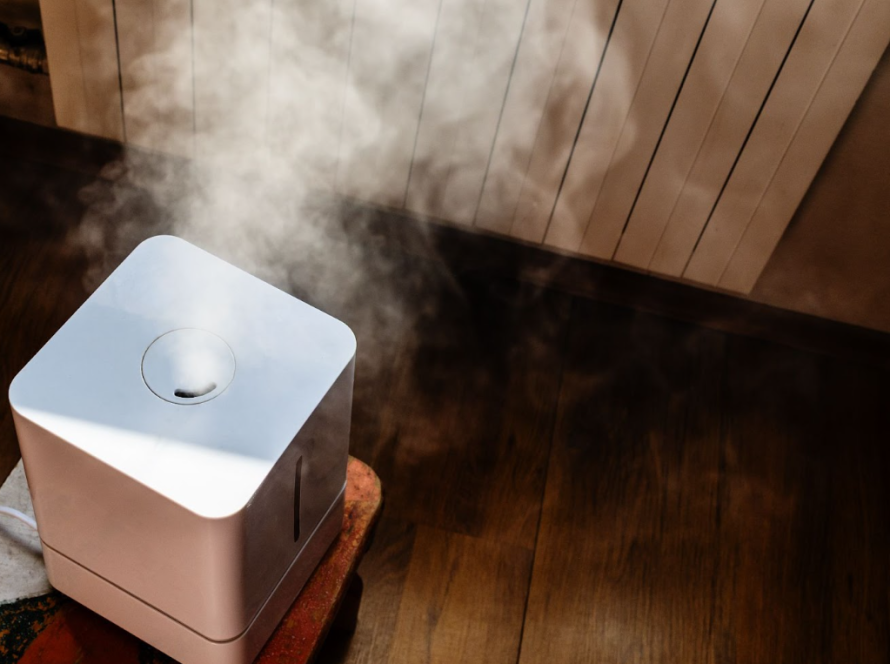
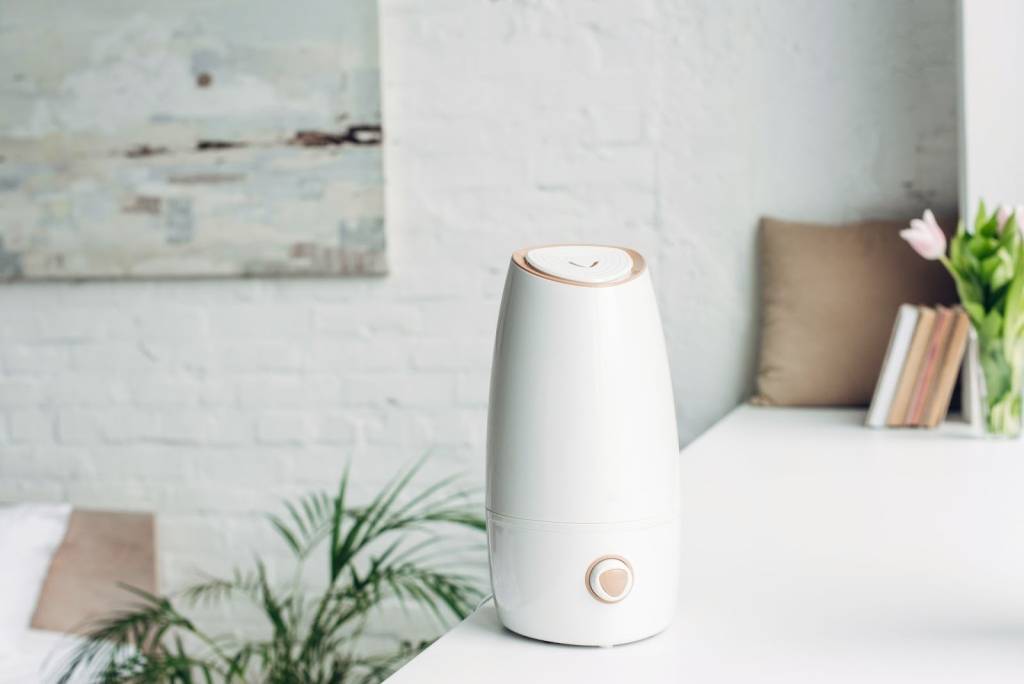
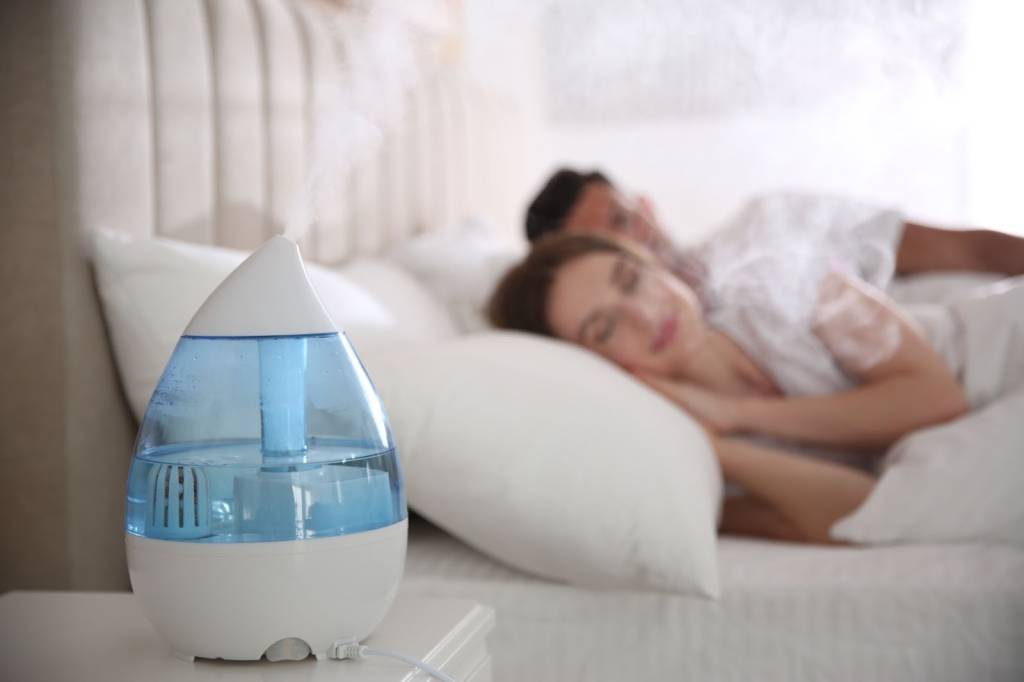
A humidifier adds moisture to indoor air to prevent dryness caused by heating and cooling systems. It releases water vapor or steam, raising humidity to a more comfortable range. This moisture helps reduce dry skin, irritated sinuses, and throat discomfort. Breathing often feels easier, and sleep quality can improve with a balanced humidity level. A humidifier also reduces static electricity and helps protect wood furniture and flooring from drying out. Overall, it supports a more comfortable, healthier indoor environment year-round.
Signs Your Home May Need A Humidifier
Dry air inside a home rarely announces itself clearly, yet it leaves behind a trail of small but persistent problems. Comfort starts to feel inconsistent, and everyday activities become less pleasant without an apparent cause. These changes often manifest as physical irritation or subtle damage around the house. Identifying these warning signs helps clarify when indoor moisture levels need attention.
Dry Indoor Air Affecting Home Comfort
Dry indoor air occurs when moisture levels fall below what most people consider comfortable. This condition often develops when outdoor air repeatedly circulates through heating or cooling systems. Modern homes retain air more efficiently, which allows dryness to linger longer. Over time, the indoor environment can feel unbalanced even when temperatures remain consistent.
Heating Systems That Lower Indoor Humidity
Heating systems warm indoor air quickly while removing moisture as a side effect. Warm air moves through vents and living spaces, pulling humidity away from surfaces and skin. This process happens gradually, which makes the discomfort easy to overlook at first. As heating cycles continue, dryness becomes more noticeable. Many homeowners attribute the discomfort solely to cold weather. A humidifier replenishes moisture lost during heating.
Air Conditioning That Dries Indoor Air
Air conditioning cools indoor spaces by extracting moisture from the air. Extended cooling cycles can leave rooms feeling dry despite humid outdoor conditions. Skin irritation or eye discomfort often occurs during prolonged indoor time. This dryness feels unexpected during warmer seasons. Comfort suffers even when temperatures remain steady. A humidifier helps balance moisture during consistent cooling use.
Physical Changes Caused By Low Humidity
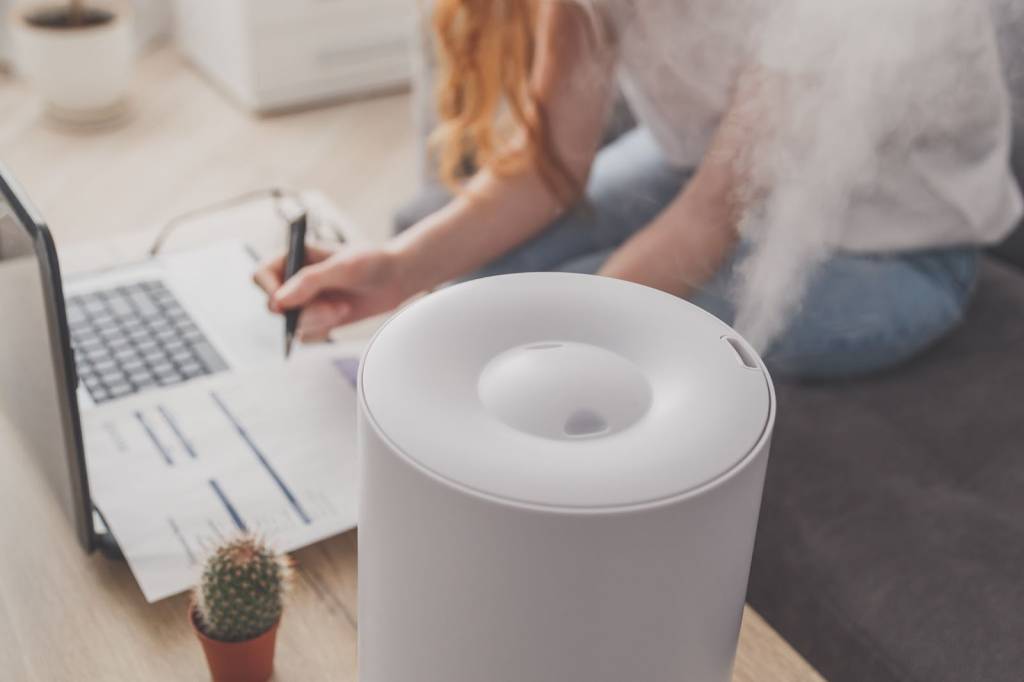
The body responds quickly when indoor humidity drops. Skin, eyes, and airways lose moisture faster in dry environments. These reactions often appear before homeowners recognize a broader indoor air issue. Ongoing physical discomfort usually points toward a need for improved moisture control.
Persistent Dry Skin And Ongoing Irritation
Dry skin develops when indoor air continuously pulls moisture from the body. Tightness and flaking become common, especially on hands and arms. Lotion provides brief relief but does not address the cause. Irritation often worsens during colder months. Over time, dryness feels constant rather than seasonal. A humidifier supports skin comfort by restoring moisture to the air.
Chapped Lips And Recurrent Eye Discomfort
Lips lose moisture quickly when indoor humidity remains low. Cracking often becomes noticeable overnight. Eyes may feel scratchy or tired after spending time indoors. Contact lens wearers tend to notice discomfort sooner. Artificial drops offer short-lived relief. Balanced humidity reduces irritation more effectively.
Frequent Nosebleeds And Nasal Dryness
Nasal passages dry out when indoor air lacks moisture. This dryness makes blood vessels more fragile. Nosebleeds may occur unexpectedly, especially during sleep. Nasal sprays help only temporarily. Morning congestion often feels worse indoors than outside. Proper humidity supports healthier nasal tissue.
Breathing And Sleep Disruptions From Dry Air
Low humidity often interferes with breathing comfort and sleep quality. These issues usually develop gradually and feel unrelated at first. Homeowners may struggle with rest despite feeling otherwise healthy. Dry indoor air often explains these recurring problems.
Ongoing Coughing Without Illness
Dry air irritates the throat lining over time. This irritation often leads to coughing, especially at night. Symptoms may continue into the morning hours. Drinking water helps briefly but does not resolve the issue. Many homeowners suspect allergies or reflux instead. A humidifier soothes airways by adding moisture.
Increased Snoring And Disrupted Sleep
Snoring becomes more noticeable when dry air irritates the nasal and throat tissues. This irritation increases airflow resistance during sleep. Sleep partners often notice the change first. Waking with a sore throat becomes more common. Rest feels lighter and less restorative. Balanced humidity supports smoother breathing at night.
Waking Up With Dry Mouth And Throat
Dry mouth often develops when moisture levels drop overnight. This dryness encourages mouth breathing during sleep. Saliva production decreases in dry environments. Morning discomfort becomes routine rather than occasional. Hydration alone rarely fixes the issue. A humidifier supports moisture balance while sleeping.
Indoor Damage Linked To Low Humidity Levels
Dry indoor air affects building materials just as much as personal comfort. These changes usually appear slowly across surfaces and finishes. Early warning indicators are easy to miss. Over time, damage becomes more visible and costly.
Frequent Static Electricity And Small Shocks
Static electricity increases when the air lacks moisture. Small shocks occur when touching metal surfaces or electronics. Clothing clings more than usual indoors. Hair becomes more complicated to manage. Crackling sounds may come from devices. Moist air reduces static buildup naturally.
Cracking Wood Floors And Furniture Separation
Wood materials shrink as moisture evaporates from the air. Gaps begin forming between floorboards and joints. Furniture may loosen or start to creak. Fine cracks often follow the grain of the wood. These changes affect durability and appearance. Proper humidity protects wood surfaces.
Peeling Paint And Fine Wall Cracks
Paint reacts poorly to prolonged dryness. Fine cracks or peeling edges often appear along walls and trim. Door frames and molding are usually the first to show damage. Repairs become more frequent over time. Homeowners may blame age rather than air quality. Balanced humidity helps preserve finishes.
Household Health Effects Of Dry Indoor Air
Indoor humidity levels influence overall household wellness. Children and older adults tend to feel dryness more intensely. Pets also react to dry environments. These shared effects highlight the importance of moisture balance.
Worsening Allergy Symptoms Indoors
Dry air allows dust and allergens to remain airborne longer. Nasal passages become more sensitive to irritation. Sneezing and congestion increase indoors. Allergy medications may feel less effective. Comfort improves when humidity stabilizes. Moist air helps particles settle.
Increased Asthma Discomfort At Home
Asthma symptoms often worsen when airways lose moisture. Breathing may feel tighter, especially at night. Indoor triggers become more noticeable. Symptoms appear more frequently at home. Medication remains necessary but less effective alone. Proper humidity supports easier breathing.
Pets Showing Dry Skin Or Behavioral Changes
Pets experience dry skin in the same indoor conditions. Scratching and shedding become more noticeable. Paw pads and noses may crack. Behavioral changes sometimes follow ongoing discomfort. Indoor-only pets feel these effects more strongly. Balanced humidity improves overall pet comfort.
Seasonal Conditions Lowering Indoor Humidity
Indoor humidity shifts throughout the year. Many homeowners associate dryness only with winter. Other seasons also create a moisture imbalance. Recognizing these patterns helps explain changing comfort levels.
Winter Heating That Causes Extended Dryness
Heating systems run longer during colder months. Moisture loss continues throughout the day. Indoor air feels warm but uncomfortable. Skin and wood surfaces react quickly. Windows may feel colder despite insulation. Humidity control becomes more challenging.
Fall Temperature Swings That Reduce Moisture
Fall weather shifts quickly between warm and cool days. Heating systems cycle inconsistently. Indoor moisture levels fluctuate. Dryness appears without warning. Comfort varies between rooms. A humidifier stabilizes these changes.
Spring Dry Air Despite Mild Weather
Spring brings higher outdoor humidity levels. Indoor air may remain dry due to HVAC use. Windows often stay closed during allergy season. Dryness continues unnoticed. Comfort does not fully return on its own. Moisture control restores balance.
Choosing The Right Humidifier For Your Home
A humidifier works best when matched to specific household needs. Home size, layout, and lifestyle affect performance. Different systems offer different benefits. Choosing the right option improves comfort.
Portable Humidifiers For Single Rooms
Portable humidifiers add moisture to targeted areas. Bedrooms and offices benefit most. Setup and maintenance remain simple. Coverage stays limited to nearby spaces. Placement affects effectiveness. These units suit smaller homes.
Whole-Home Humidifiers For Full Coverage
Whole-home humidifiers connect directly to HVAC systems. Moisture distributes evenly throughout the house. Maintenance occurs less often. Larger homes benefit from consistent humidity. Installation requires professional service. Comfort improves across rooms.
Features That Support Daily Use
Humidity controls help maintain balance. Quiet operation supports sleep and focus. Easy cleaning saves time. Automatic shutoff improves safety. Filter quality affects air cleanliness. These features support long-term use.
Restore Indoor Comfort With A Humidifier
Dry indoor air rarely improves on its own, and waiting often allows discomfort and home wear to continue unnoticed. Small changes in moisture can have a wide-reaching effect on how a home feels day after day. Addressing indoor humidity helps support better sleep, healthier airways, and long-term protection for interior surfaces. A humidifier offers a practical way to bring balance back to indoor air and improve daily comfort without changing how you live.
Stay informed about indoor air solutions and home comfort topics on the Air Maxx of Charlotte, Inc. blog