
Indoor air often carries more pollutants than many homeowners expect. Your HVAC system moves that air through every room each day. Many households now consider UV light for HVAC systems to improve air quality. The idea sounds promising, yet results depend on proper use and expectations. Knowing how these systems work helps you decide if they suit your home.
What is UV Light for HVAC Systems?
UV light for HVAC systems uses UV-C radiation to control microbial growth inside equipment. This technology targets mold, bacteria, and viruses that collect in damp system areas. Most units place UV lamps near coils or inside ductwork for continuous exposure. This setup works best when installed correctly and maintained regularly.
Types of UV Light Systems in HVAC
UV light systems for HVAC fall into two main categories based on placement and function. Coil sterilization units sit near evaporator coils and run continuously to prevent buildup. Air sterilization units are installed inside ducts and treat air as it circulates through the system. This design focuses on reducing airborne microorganisms, though exposure time can limit effectiveness. Coil systems remain more common in residential homes due to reliable surface treatment. Air systems often cost more and require careful placement for better results.
Benefits of UV Light in HVAC Systems
UV light for HVAC systems improves internal cleanliness and supports better airflow. This technology helps reduce biological buildup that can affect performance and air quality. Homeowners often choose these systems to address comfort concerns without major upgrades. This approach works best when combined with proper filtration and regular maintenance.
Improves Indoor Air Quality
Cleaner air begins with reducing the buildup of microorganisms inside HVAC components. Mold and bacteria often grow in damp areas, such as evaporator coils. As these contaminants decrease, the air circulating through your home feels fresher. This improvement can help reduce allergy triggers for sensitive individuals. Air filters still capture dust and pollen, so both systems work best together. Consistent operation helps maintain balanced indoor air conditions over time.
Boosts HVAC Efficiency
System performance improves when internal components stay free from biological buildup. Clean coils transfer heat more effectively during heating and cooling cycles. This condition allows air to move more easily through the system. Reduced strain helps lower energy consumption and supports smoother operation. Over time, fewer mechanical issues may arise in cleaner conditions. Regular upkeep keeps these efficiency gains consistent.
Helps Reduce HVAC Odors
Unpleasant smells often originate from mold and bacteria inside HVAC systems. Targeting these sources helps reduce lingering odors throughout the home. As the buildup decreases, the air smells cleaner during system operation. This change becomes more noticeable in humid environments where odors persist longer. External sources of odor still require proper ventilation and cleaning. Even so, overall indoor freshness can improve with consistent treatment.
UV Light Impact on HVAC Airflow Design
UV light affects airflow efficiency more than most homeowners realize. This system interaction extends beyond cleanliness to how air moves through ducts. Placement can influence airflow resistance and distribution within the system. Proper positioning supports balanced airflow, consistent temperatures, and steady HVAC performance.
How UV Placement Affects Airflow Balance
This placement detail influences how air travels through the HVAC system and reaches each room. Poor placement can disrupt airflow patterns and reduce system efficiency over time. Proper positioning allows air to move freely while still exposing surfaces to UV light. This balance supports consistent temperatures throughout the home. HVAC professionals often adjust placement based on duct layout and system size. Understanding this factor helps homeowners avoid performance issues after installation.
Airflow Efficiency and System Performance
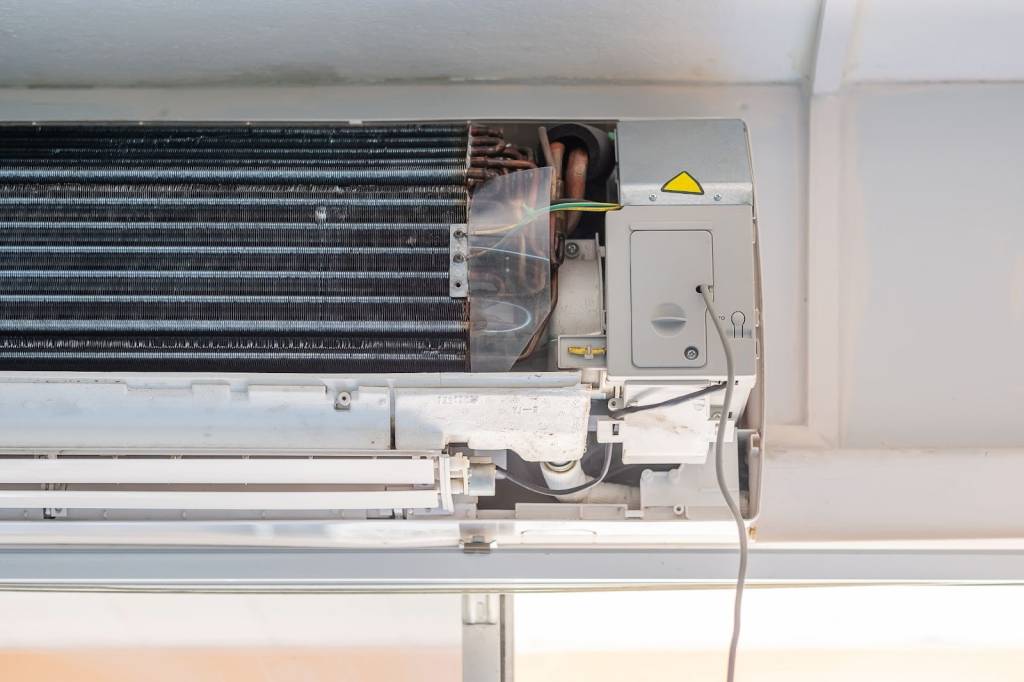
This airflow efficiency directly affects how well your HVAC system heats and cools your home. Restricted airflow can force the system to work harder, increasing energy use. UV light helps keep internal components clean, which supports smoother airflow. However, incorrect installation may block or redirect airflow in unintended ways. This situation can reduce comfort levels in certain areas of the home. A well-designed setup maintains steady airflow while preserving UV effectiveness.
Do UV Lights in HVAC Really Work
UV lights in HVAC systems neutralize microorganisms under the proper conditions. This effectiveness depends on placement, exposure time, and system design. Many claims exaggerate results, which leads to confusion among homeowners. Clear expectations come from understanding both the capabilities and the limits of these systems.
What UV Light Does Well in HVAC
UV light performs well at controlling microbial growth on HVAC surfaces. This function disrupts the DNA of bacteria and mold, preventing reproduction. Continuous exposure keeps coils and drain pans cleaner over time. This condition supports better airflow and reduces buildup inside the system. Research from organizations such as ASHRAE supports the use of UV-C in controlled environments. Proper installation improves results and makes performance more reliable.
Limits of UV Light in HVAC Systems
UV light has limits that homeowners should understand before installation. This technology cannot remove dust, pet hair, or other physical particles. Air moves quickly through ducts, which reduces UV exposure time. This limitation affects how well airborne microorganisms are treated. UV systems also cannot fix humidity problems or ventilation issues. A combined approach using filters and system upgrades is more effective.
Real Results from UV HVAC Systems
UV HVAC systems deliver noticeable results when used in suitable conditions. This performance depends on system design, bulb strength, and maintenance. Homes with mold concerns often see clearer improvements over time. This outcome becomes more consistent when combined with filtration and humidity control. Industry data and HVAC professionals support these findings based on field experience. Understanding these factors helps homeowners set realistic expectations.
UV Light and Humidity Control Connection
UV light interacts closely with humidity levels inside HVAC systems. This relationship affects how well the system prevents mold and bacterial growth. Many homeowners focus solely on UV technology, neglecting moisture control. Balanced humidity levels allow UV systems to perform more effectively and maintain cleaner internal components.
Why Moisture Levels Influence UV Performance
This humidity factor determines how quickly mold and bacteria grow inside HVAC components. High moisture creates ideal conditions for microbial buildup, even with UV light present. UV systems work better when humidity stays within recommended indoor ranges. This balance reduces the workload on the UV system and improves results. Dehumidifiers and proper ventilation can effectively support this process. Combining moisture control with UV treatment creates a more stable indoor environment.
Ideal Indoor Humidity for UV Systems
This humidity range typically falls between 30 and 50 percent for most homes. Maintaining this level limits mold growth and supports UV system performance. High humidity can overwhelm UV treatment, allowing buildup to continue. Low humidity, on the other hand, may reduce overall comfort indoors. Smart thermostats and humidity sensors help monitor and control these levels. Maintaining balanced conditions improves both air quality and system efficiency.
UV HVAC Installation and Cost Overview
UV HVAC installation involves placing light systems within key areas of the unit. This process requires proper handling to avoid safety risks and performance issues. Costs vary depending on system type, home size, and installation complexity. This investment should align with your air quality needs and long-term goals.
UV Light Installation Process
UV light installation begins with assessing the HVAC system layout and airflow. This evaluation determines whether coil or duct placement works best. Technicians install units near coils or inside ducts for targeted exposure. This positioning improves effectiveness and reduces wasted energy. Most installations take a few hours with minimal disruption. Professional service helps avoid errors that could affect performance.
Safety of UV Light in HVAC Systems
UV light systems remain safe when installed and maintained correctly within HVAC units. This setup keeps UV-C exposure contained inside sealed components. Direct exposure can harm the skin and eyes, making proper installation critical. Technicians follow safety guidelines and use protective equipment during setup. This system design protects homeowners from accidental exposure. Routine checks help confirm continued safe operation.
UV HVAC Cost and Maintenance Needs
UV HVAC systems involve upfront costs along with ongoing maintenance requirements. This expense depends on unit type and installation complexity. Bulbs typically need to be replaced every one to two years for optimal performance. This maintenance keeps UV output strong and effective against microorganisms. Energy usage remains low compared to overall HVAC consumption. Long-term savings may appear through improved efficiency and reduced repairs.
Is UV Light for HVAC Worth It
UV light for HVAC systems offers value when matched to specific home conditions. This solution works best in environments prone to mold or poor air quality. Homeowners should weigh the benefits against the cost and the existing system performance. This decision becomes clearer when evaluating household needs.
Homes That Benefit from UV HVAC Systems
Homes that benefit most from UV HVAC systems often face humidity and airflow challenges. This condition allows mold and bacteria to grow inside HVAC components. Families with allergies may notice improved comfort after installation. This improvement comes from reduced microbial presence in circulating air. Older systems also gain support from cleaner internal conditions. Pet owners may find added value in improved air quality.
When UV Light is Not Necessary
UV light may not be necessary in homes with strong air quality systems already in place. This situation often includes advanced filtration and proper ventilation. Dry climates reduce the likelihood of mold growth inside HVAC units. This factor lowers the need for additional microbial control. Budget considerations may also shift focus to other upgrades first. Prioritizing insulation or airflow improvements can deliver better results in some cases.
Upgrade With UV Light for HVAC Systems
UV light for HVAC systems offers a practical way to improve air quality and system cleanliness. This solution supports better airflow and reduces hidden microbial buildup over time. Homeowners who address air quality concerns often see improved comfort and performance. This decision benefits from professional HVAC services that evaluate your system, recommend proper UV placement, and handle safe installation for lasting results.
Take a closer look at smarter HVAC solutions. Visit the Air Maxx of Charlotte, Inc. blog for practical insights you can actually use.
