Unexpected HVAC issues often surface when comfort matters most inside your home. A struggling system can disrupt routines and increase stress during extreme temperatures. Repair costs often vary, leaving many homeowners unsure about what drives pricing. Several factors influence HVAC system repair costs, including system type and labor requirements. Knowing these cost drivers helps you make informed decisions and avoid unnecessary spending.
Everyday Habits That Affect HVAC Repair Costs
Daily habits can quietly influence how often your HVAC system needs repair. Many homeowners overlook these patterns because the system continues to run without obvious issues. Over time, these behaviors create added strain that leads to avoidable service calls. Recognizing these habits early helps you reduce wear and better understand the factors that follow.
Frequent Thermostat Adjustments
Frequent thermostat changes force your HVAC system to cycle more often than necessary. This pattern increases wear on internal components such as motors and relays. The system works harder to keep up with constant temperature shifts throughout the day. Over time, this repeated strain leads to more frequent HVAC repairs. Technicians often trace inconsistent performance back to unstable thermostat use. Keeping a steady setting helps reduce stress and supports system efficiency.
Blocking Vents and Airflow Paths
Blocked vents disrupt airflow, forcing your HVAC system to compensate for a pressure imbalance. Furniture, curtains, or closed vents often create these restrictions without notice. This airflow issue increases system workload and raises the risk of overheating. Technicians commonly identify restricted airflow during service visits. These conditions can lead to premature component wear and higher repair costs. Keeping vents clear helps maintain balanced airflow and reduces avoidable strain.
What Drives HVAC Repair Costs at Home
HVAC repair costs often vary because no two systems fail in the same way. Several factors influence pricing, from equipment design to service conditions inside your home. Understanding these elements helps you see where your money goes during a repair visit. A clear grasp of these cost drivers helps you plan repairs wisely and avoid unnecessary expenses.
HVAC System Type and Repair Complexity
Different HVAC systems require varying repair approaches due to their design and structure. System complexity directly affects how technicians diagnose and fix issues. More advanced systems often need specialized tools and deeper technical knowledge. These differences shape both labor time and overall HVAC system repair costs.
Central vs. Ductless HVAC
Central HVAC systems use ductwork, which increases inspection time and repair effort. Technicians must examine multiple duct sections to accurately locate faults. This process often raises labor costs due to extended diagnostic work. Ductless systems rely on individual indoor units, which simplifies troubleshooting. Repairs usually focus on specific components rather than the entire system. This setup often results in quicker service and lower repair expenses.
Heat Pump and Hybrid System
Heat pumps handle both heating and cooling, which adds complexity to their operation. This dual function requires careful diagnostics during HVAC system repair. Hybrid systems combine multiple technologies, making repairs more detailed and time-intensive. Technicians need specialized training to properly service these systems. This expertise often increases labor rates and service costs. As a result, repair pricing for these systems tends to be higher.
Heating vs. Air Conditioning Repairs
Heating and air conditioning systems differ in how they operate and fail. Heating units often involve burners, heat exchangers, or electric elements that require careful inspection. Air conditioning systems rely on refrigerant, coils, and compressors, which introduce a different set of repair needs. These differences affect both labor time and parts required during HVAC system repair. Technicians often use distinct diagnostic methods depending on the system type. Understanding this distinction helps homeowners more accurately anticipate repair costs.
Severity of HVAC Repair Problems
The nature of the issue determines how much you will spend on repairs. Minor faults usually require simple fixes, while deeper issues demand more resources. Problem severity influences both labor time and replacement part costs. These variations explain why HVAC system repair pricing differs across situations.
Minor Issues vs. Extensive Component Damage
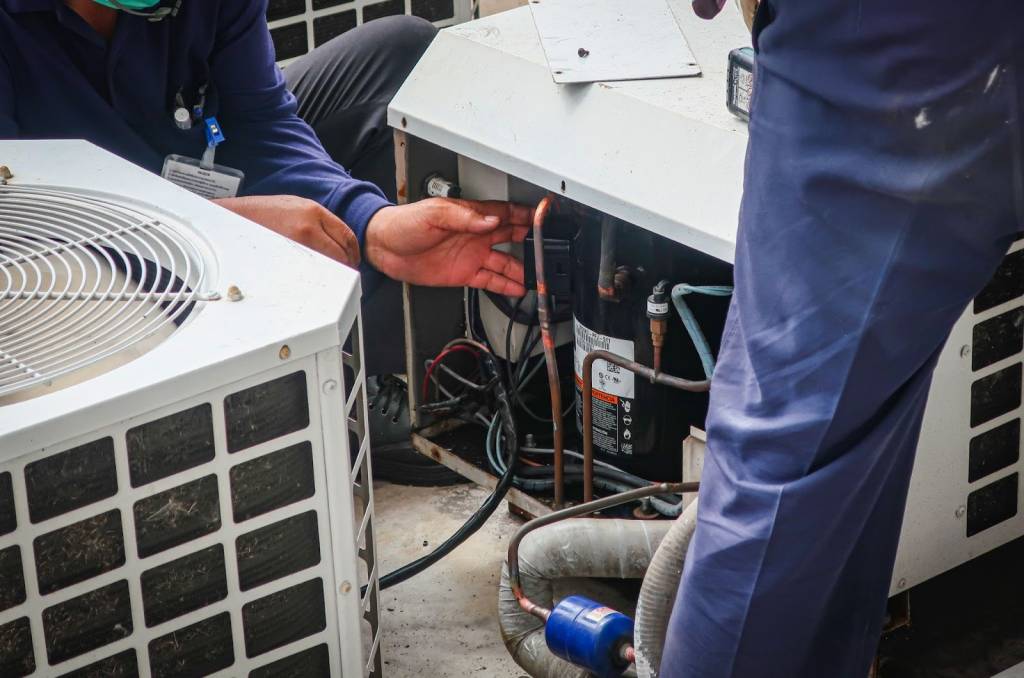
Small HVAC problems, such as loose wiring or clogged filters, are easier to fix. These repairs require less time and fewer materials, which keeps costs lower. Extensive component damage involves components such as compressors or fan motors. These components require more effort and higher-cost replacements. Technicians also perform additional testing after completing these repairs. This added work increases the total repair expense.
Complex Diagnostics and Hidden Faults
Some HVAC problems remain hidden until a full system inspection takes place. This diagnostic process often requires advanced tools and technical experience. Technicians may spend more time identifying the root cause of the issue. This extended effort increases labor charges during HVAC system repair. Hidden faults can also lead to additional repairs once discovered. These added repairs can raise the final service cost beyond initial estimates.
Emergency HVAC Repair Situations
Urgent HVAC repairs often cost more because they require immediate service. Technicians may adjust schedules or work outside standard hours to respond. This urgency increases labor rates and may include additional service fees. Homeowners often request quick repairs during extreme weather. This demand drives up pricing due to limited availability. Planning maintenance can help reduce the need for urgent repairs.
HVAC Unit Age and System Condition
Older HVAC systems often require more frequent repairs due to wear and reduced efficiency. System condition influences how well components function over time. Aging units tend to develop issues that increase repair frequency. These factors contribute to rising HVAC system repair costs.
Aging Systems and Replacement Part Costs
Older HVAC units often rely on parts that manufacturers no longer produce. This limitation makes sourcing replacement components more difficult. Technicians may spend additional time locating compatible parts. This delay increases both labor and material costs. In some cases, substitute parts require modifications to fit properly. These adjustments add to the overall repair expense.
Maintenance History and Wear Levels
A well-maintained HVAC system experiences fewer breakdowns over time. Regular servicing helps detect issues before they worsen. This maintenance routine reduces strain on system components. Poor maintenance leads to accumulated wear across multiple parts. Technicians often address several issues during one service visit. This situation increases both labor time and repair costs.
Labor Costs and Technician Skill
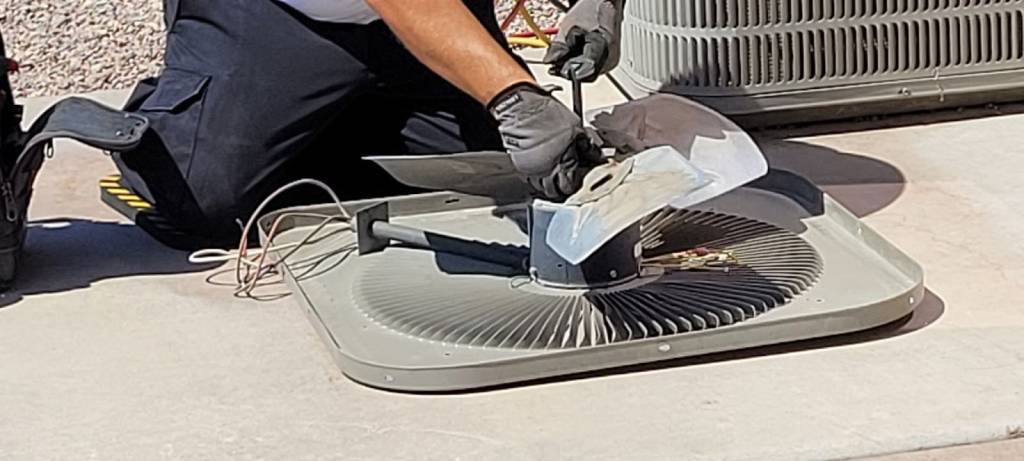
Labor costs form a large portion of HVAC system repair pricing. Technician skill levels influence repair efficiency. More complex systems require trained professionals with advanced knowledge. These factors directly impact service rates and final costs.
Certified Technicians and Service Quality
Certified HVAC technicians bring expertise that improves repair accuracy. This expertise allows them to diagnose problems quickly and correctly. Higher skill levels often come with higher service rates. However, quality work reduces the risk of repeat issues. Homeowners benefit from longer-lasting repairs and better system performance. This balance between cost and value makes professional service worthwhile.
Location-Based HVAC Service Pricing
HVAC repair costs vary depending on geographic location and service demand. Urban areas often have higher labor rates due to increased demand. Rural locations may have fewer technicians, which can also raise costs. Travel distance and accessibility also affect pricing. This regional variation explains differences in HVAC system repair expenses. Homeowners should consider local market rates when budgeting for repairs.
HVAC Parts Cost and Supply Factors
Replacement parts account for a significant share of HVAC system repair costs. The type and quality of parts affect both price and performance. Some components cost more due to design or availability. These factors influence the total cost of repair services.
OEM vs. Aftermarket HVAC Components
Original equipment manufacturer parts match system specifications precisely. These components often cost more but provide reliable performance. Aftermarket parts offer a lower-cost alternative with varying quality. Some options perform well, while others may wear out faster. Choosing the right part affects both short-term savings and long-term durability. Homeowners should weigh cost against reliability when making decisions.
Supply Chain and Seasonal Price Changes
Parts availability can shift due to supply chain disruptions or high demand. This situation affects both pricing and delivery timelines. Seasonal demand often increases the cost of certain components. Technicians may need to wait for parts before completing repairs. This delay can extend service time and increase labor costs. These factors contribute to fluctuating HVAC system repair pricing.
Seasonal Demand and Repair Timing
Timing affects HVAC repair pricing because demand varies throughout the year. Systems work harder during extreme temperatures, which leads to more breakdowns. Increased demand during these periods raises service rates. This timing factor influences both availability and cost.
Peak Season HVAC Repair Pricing
Summer and winter often bring higher HVAC repair demand. Technicians receive more service requests during these periods. This demand can lead to higher labor rates and longer wait times. Homeowners may face delays in scheduling repairs. This situation can increase costs due to limited availability. Planning helps reduce these challenges.
Off-Season HVAC Maintenance Benefits
Scheduling repairs during milder seasons often reduces service costs. Technicians are typically more available during these periods. This flexibility can result in faster service and better pricing. Homeowners can address issues before they become more complex. This proactive approach helps control HVAC system repair expenses. It also reduces the likelihood of unexpected breakdowns.
HVAC Accessibility and Installation Layout
System accessibility affects how easily technicians can perform repairs. HVAC units located in confined spaces require more effort to service. This access limitation increases labor time and complexity. These conditions influence HVAC system repair costs.
Hard-To-Reach HVAC System Locations
HVAC units installed in attics or crawl spaces are harder to access. Technicians must navigate tight areas to reach system components. This effort increases the time required for repairs. Safety precautions also add to the workload. These factors raise labor costs during HVAC system repair. Accessibility remains a key factor in pricing.
Ductwork Design and Repair Complexity
Complex duct systems require detailed inspection and careful repair work. Hidden ducts may contain leaks or blockages that affect performance. Technicians must examine multiple sections to resolve issues completely. This process takes time and technical precision. Systems with intricate layouts often require more extensive repairs. This complexity increases overall repair costs.
Warranty and Service Coverage
Warranty coverage can reduce HVAC system repair expenses depending on the terms. Service agreements also influence how costs are managed over time. Understanding these options helps homeowners plan better. These protections can lower out-of-pocket repair costs.
Manufacturer Warranty Coverage Details
Manufacturer warranties often cover specific HVAC components for a set period. This coverage can reduce the cost of replacement parts. Labor costs may still apply depending on warranty terms. Homeowners should review coverage details carefully. Some warranties include conditions that limit eligibility. Understanding these terms helps avoid unexpected expenses.
Service Plans and Cost Control
Service agreements provide regular maintenance and repair support for HVAC systems. These plans often include scheduled inspections and discounted services. This coverage helps maintain system performance over time. Technicians can detect issues before they worsen. This proactive care reduces the likelihood of costly repairs. Service plans offer predictable costs and long-term savings.
Prevent Rising HVAC System Repair Costs
HVAC system repair costs increase when small issues go unchecked, and strain builds within the system. Consistent upkeep helps you catch problems before they require more complex, costly fixes. Working with trusted HVAC service providers helps you maintain performance and avoid recurring breakdowns. Staying attentive to your system’s condition supports steady comfort while keeping repair expenses under control.
Get a clearer picture of your HVAC system repair costs and what to expect next. Visit the Air Maxx of Charlotte, Inc. blog for practical insights and expert guidance.
