Indoor air quality shapes how comfortable and healthy a home feels each day. Many households unknowingly circulate dust, allergens, odors, and fine particles through their living spaces. Over time, this buildup affects breathing comfort, sleep quality, and HVAC efficiency. These issues often develop quietly, without obvious warning signs. Addressing them at the source becomes far more effective with a properly designedair filtration system.
What an Air Filtration System Is and How It Works
An air filtration system is a home solution designed to clean indoor air as it circulates through HVAC equipment. This system captures airborne particles before they spread through living spaces. It operates continuously during heating and cooling cycles, improving air quality without daily effort. This technology supports cleaner air, healthier breathing, and better system performance.
Definition of a Residential Air Filtration System
A residential air filtration system removes contaminants from indoor air before occupants breathe them. This system installs within or alongside an HVAC system to treat air centrally. It targets pollutants such as dust, pollen, pet dander, and fine particles. Filtration occurs automatically as air moves through ductwork. Homeowners benefit from consistent air cleaning throughout the home. This setup differs from portable units in that it provides whole-home coverage.
How Air Filtration Systems Clean Indoor Air
Air filtration systems force circulating air through specialized filters. These filters trap particles based on size and material design. High-efficiency filters capture microscopic pollutants that basic filters miss. Clean air then returns to living spaces through vents. This continuous process reduces pollutant buildup. Indoor air remains cleaner without manual operation.
Types of Filters Used in Air Filtration Systems
Air filtration systems use different filter technologies depending on household needs. Mechanical filters capture particles through dense fibers. Activated carbon filters absorb odors and chemical compounds. Electrostatic filters attract particles by electrostatic force. Each filter type serves a specific purpose. Proper selection improves overall air quality performance.
Difference Between Air Filtration and Air Purification
Air filtration focuses on removing particles from the airflow. Air purification often involves additional technologies such as UV light or ionization. Filtration physically traps contaminants within filters. Purification targets microorganisms or chemical compounds differently. Many systems combine both methods for broader coverage. Understanding this distinction helps homeowners choose effective solutions.
Why Investing in an Air Filtration System Matters
Investing in an air filtration system improves indoor air quality and supports everyday living. Homes accumulate airborne pollutants that affect comfort and long-term health. Standard filters offer limited protection against these contaminants. Understanding the benefits behind this investment sets the foundation for informed decisions.
Cleaner Indoor Air Throughout the Entire Home
Cleaner indoor air remains one of the most practical reasons homeowners invest in an air filtration system. Indoor pollutants circulate constantly through living spaces without centralized filtration. Whole-home systems clean the air as it moves through the HVAC system, rather than treating isolated rooms. This approach delivers consistent air quality across the home and supports everyday comfort.
Removal of Common Household Air Pollutants
Every day activities release dust, pollen, fibers, and debris into indoor air. These particles circulate repeatedly through heating and cooling cycles. An air filtration system captures them before they resettle on surfaces. Cleaner air reduces visible dust accumulation throughout the home. This reduction supports easier cleaning routines and improved indoor comfort. Over time, living spaces feel noticeably less congested.

Control of Microscopic Indoor Particles
Many indoor pollutants are too small to see but still affect breathing comfort. Cooking, cleaning products, and outdoor pollution introduce fine particles indoors. Advanced filtration efficiently traps these microscopic contaminants. This protection improves air clarity throughout occupied spaces. Breathing feels easier during daily activities and rest. Long-term exposure risks decrease with continuous filtration.
Balanced Air Quality Across All Rooms
Indoor air quality often varies from room to room without centralized filtration. Bedrooms and lower levels tend to collect higher pollutant concentrations. Whole-home systems distribute filtered air evenly through ductwork. This balanced airflow prevents stale or heavy-feeling spaces. Each room receives the same air quality benefits. Consistency improves overall household comfort.
Healthier Living Through Cleaner Indoor Air
Cleaner air directly supports physical comfort and daily well-being. Prolonged exposure to indoor pollutants often triggers subtle health issues. Filtration reduces irritants before they affect occupants. This protection supports healthier routines for all household members.
Reduced Allergy Symptoms Indoors
Indoor allergens trigger symptoms year-round. Pollen, pet dander, and dust mites circulate through untreated HVAC systems. Air filtration captures these allergens at the source. Reduced exposure lowers congestion and irritation. Homes feel more comfortable during allergy seasons. Daily activities become easier to manage indoors.
Respiratory Comfort for Children and Seniors
Children and older adults respond more strongly to airborne irritants. Cleaner air reduces stress on sensitive respiratory systems. Filtration removes particles that cause coughing or a dry throat. Breathing remains calmer during rest and activity. Sleep quality improves with reduced irritation. Overall comfort increases across age groups.
Improved Sleep Through Cleaner Airflow
Air quality influences nighttime breathing patterns. Pollutants irritate sinuses and disrupt rest cycles. Filtration removes these irritants during extended sleep hours. Cleaner air supports deeper and more consistent rest. Morning fatigue decreases gradually. Restful sleep improves daily focus and energy.
Fresher Indoor Spaces With Effective Odor Control
Lingering odors affect how welcoming a home feels. Many smells persist despite ventilation efforts. Filtration removes odor-causing particles rather than masking odors. Fresher air improves overall indoor comfort.
Elimination of Cooking and Household Odors
Cooking releases strong airborne compounds into living areas. These odors circulate through ducts and settle into fabrics. Carbon-based filtration absorbs odor particles effectively. Air smells cleaner without artificial fragrances. Kitchens regain comfort more quickly after meals. This freshness supports daily convenience.
Managing Pet-Related Indoor Smells
Pets introduce dander and odor particles into indoor air. These particles circulate continuously without filtration. An air filtration system efficiently captures pet-related contaminants. Homes maintain a cleaner scent consistently. Guests notice fresher air upon entry. Pet owners benefit from improved indoor comfort.
Maintaining a Pleasant Home Atmosphere
Odor-free air changes how indoor spaces feel emotionally and physically. Clean air supports relaxation and comfort throughout the day. Filtration prevents scent buildup in enclosed rooms. Living areas remain inviting without extra effort. Homeowners feel confident hosting visitors. This comfort enhances everyday enjoyment.
Longer HVAC System Life With Cleaner Airflow
Clean airflow reduces unnecessary strain on HVAC equipment. Dust and debris accumulate inside mechanical components over time. Filtration intercepts contaminants before they cause damage. This protection supports stable system performance.
Reduced Dust Inside HVAC Components
Dust settles on coils, fans, and internal surfaces during operation. This buildup restricts airflow and reduces efficiency. Filtration captures particles before system entry. Cleaner components operate more smoothly. Maintenance demands decrease gradually. System reliability improves with reduced buildup.
Extended HVAC Equipment Lifespan
Restricted airflow increases wear on moving parts. Motors and fans work harder under strain. Clean airflow reduces mechanical stress. Systems maintain steady performance across seasons. Unexpected breakdowns occur less often. Longevity improves with proper filtration.
Lower Maintenance and Repair Frequency
Dust-related issues drive many service calls. Filtration limits contaminant buildup inside equipment. Maintenance becomes more predictable and manageable. Repair needs decline steadily over time. Homeowners avoid sudden system disruptions. Reliability supports household planning.
Lower Energy Use and More Predictable Costs
Efficient airflow reduces overall energy consumption. Dirty systems require more power to maintain comfort. Filtration supports smoother HVAC operation. This efficiency stabilizes household energy expenses.
Improved System Efficiency With Clean Air
Clean airflow moves freely through HVAC components. Reduced resistance lowers energy demand. Heating and cooling cycles complete faster. Temperature consistency improves throughout the home. Energy waste decreases gradually. Comfort remains reliable year-round.
Lower Monthly Utility Expenses
Efficient systems consume less electricity or fuel. Utility bills reflect improved performance over time. Savings accumulate steadily throughout the year. Filtration supports efficient energy use. Households manage expenses more predictably. Long-term cost control improves.
Increased Property Value Through Efficiency
Energy-efficient homes attract knowledgeable buyers. Filtration enhances overall HVAC performance. Well-maintained systems increase resale appeal. Buyers value cleaner air features. Property value benefits from efficiency improvements. Investment impact extends beyond daily use.
Whole-Home Systems vs Portable Air Cleaners
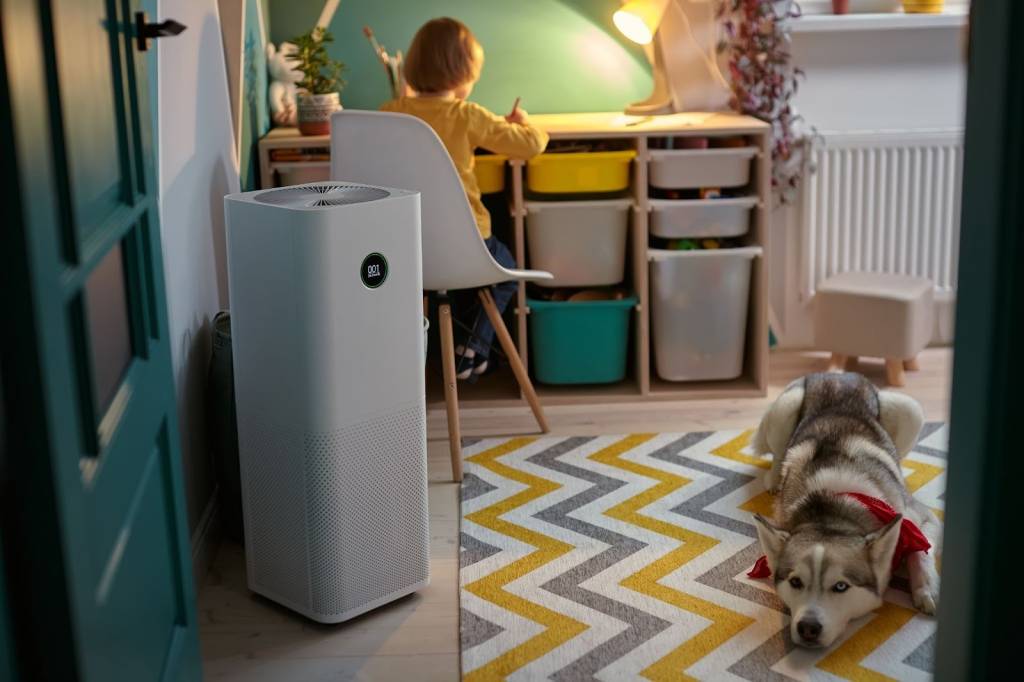
Whole-home filtration offers broader coverage than portable units. Portable devices treat isolated spaces only. Central systems integrate directly with HVAC airflow. This integration delivers consistent results.
Consistent Air Quality in Every Room
Portable units clean limited areas. Pollutants continue circulating elsewhere. Whole-home systems treat all rooms equally. Bedrooms and common areas benefit alike. No space feels overlooked. Uniform comfort improves satisfaction.
Reduced Noise and Visual Disruption
Portable units occupy floor space and create noise. Integrated systems operate quietly in the background. Living areas remain uncluttered. Noise distractions decrease significantly. Comfort improves without visible equipment. Homes maintain a clean aesthetic.
Simplified Maintenance Management
Multiple portable units require frequent upkeep. Whole-home systems centralize filter replacement. Maintenance schedules remain manageable. Professional servicing becomes straightforward. Homeowners spend less time monitoring equipment. Convenience supports long-term use.
Custom Air Filtration Solutions for Homes
Homes face different air quality challenges based on lifestyle and location. Filtration systems adapt to household needs. Custom selection improves system effectiveness. Tailored solutions deliver better results.
Selecting Filtration Based on Household Conditions
Homes with pets need stronger particle control. Urban locations face higher pollution exposure. Allergy-sensitive households require advanced filtration. Proper selection improves air quality outcomes. Performance aligns with household priorities. Customization supports lasting benefits.
Professional Integration With Existing HVAC
Correct sizing prevents airflow imbalance. Professional installation supports system compatibility. Integration maintains HVAC performance stability. Installation occurs with minimal disruption. Results remain consistent afterward. Professional support enhances reliability.
Ongoing Monitoring and System Support
Regular inspections maintain filtration effectiveness. Filter changes remain timely and accurate. Performance stays stable across seasons. Support addresses issues promptly. Systems continue delivering clean air. Reliability builds homeowner confidence.
Invest in an Air Filtration System for Lasting Comfort
Cleaner indoor air shapes how a home supports comfort, health, and system efficiency each day. An air filtration system reduces airborne pollutants while easing strain on HVAC equipment. Working with experienced HVAC professionals helps match the right filtration solution to a home’s layout and air quality needs. This partnership allows homeowners to improve indoor living conditions with confidence and long-term reliability.
Find clear answers, professional insights, and real-world solutions by visiting the Air Maxx of Charlotte, Inc. blog, your resource for better indoor air living.