
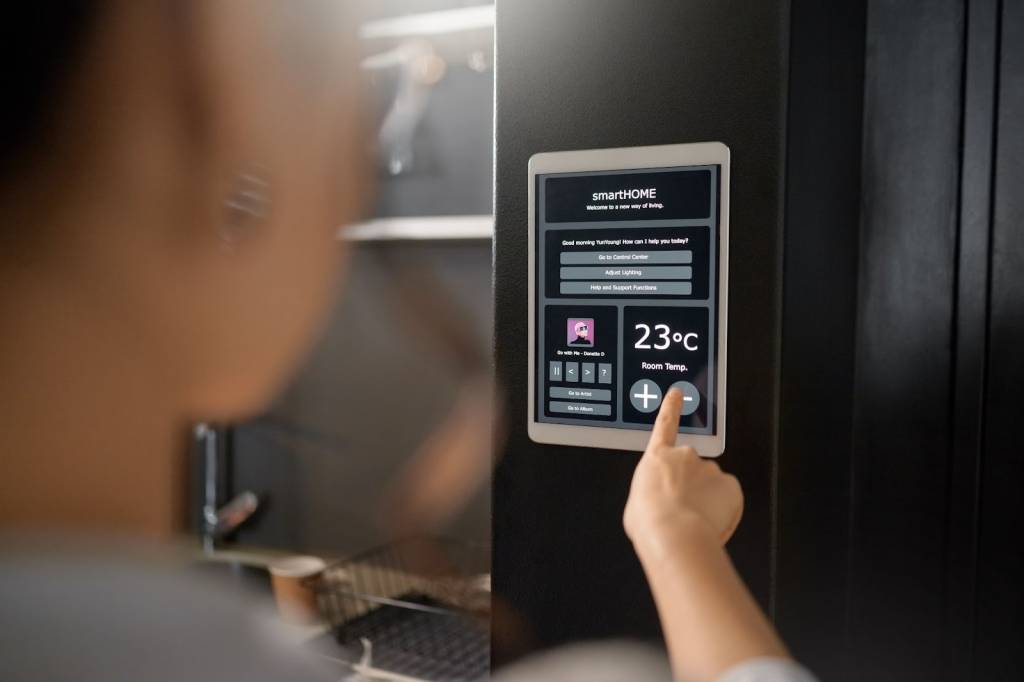
Rising energy costs continue to affect homeowners who want comfort without financial strain. A programmable thermostat offers a reliable way to control heating and cooling with precision. This type of thermostat follows preset schedules that match daily routines instead of reacting to constant manual changes. Homeowners gain steadier indoor temperatures while avoiding unnecessary energy use. For households focused on long-term savings, a programmable thermostat introduces control, predictability, and practical efficiency.
What a Programmable Thermostat Does for Energy Use
A programmable thermostat automatically manages indoor temperatures according to set schedules. This automated control reduces energy waste caused by forgotten adjustments. The system works around daily routines instead of relying on memory. As a result, heating and cooling operate only when needed.
Daily Operation of a Programmable Thermostat
A programmable thermostat adjusts temperatures according to time-based settings. This scheduled control aligns with waking hours, work schedules, and sleep periods. The system lowers heating or cooling when the home is empty. This approach reduces system runtime without affecting comfort. Homeowners experience fewer temperature swings throughout the day. Over time, consistent scheduling reduces energy consumption.
Difference Between Manual and Programmable Controls
Manual thermostats depend on frequent human input. This reliance often leads to missed adjustments during busy days. A programmable thermostat removes that uncertainty through automation. The device maintains consistency even when routines change slightly. This reliability limits unnecessary system use. Energy savings grow through repeated, controlled operation.
How Automation Reduces Human Error
Human error often drives unnecessary energy use in homes. A programmable thermostat limits mistakes caused by forgetfulness or rushed decisions. This automation maintains consistent temperature changes across days and weeks. Homeowners avoid accidental overuse during travel or long workdays. The system follows schedules without interruption. Reliable automation supports long-term efficiency.
Heating and Cooling Costs Inside a Typical Home
Heating and cooling account for a large share of residential energy bills. A programmable thermostat directly influences how long these systems run. Controlled schedules prevent extended operation during low-need periods. This targeted approach lowers overall energy demand.
Heating Efficiency Through Scheduled Setbacks
Heating systems consume more energy during prolonged use. A programmable thermostat reduces output during sleeping or vacant hours. This scheduled setback lowers fuel or electricity demand. The system restores comfort before occupants return. This balance protects comfort while limiting waste. Over months, heating costs become easier to manage.
Cooling Control During High-Demand Hours
Cooling systems often strain energy budgets during warm afternoons. A programmable thermostat anticipates these periods with planned adjustments. Slightly higher temperature settings reduce cooling load. The home remains comfortable through gradual changes. This method avoids sudden system strain. Utility bills reflect steadier cooling use.
Preventing Overuse During Seasonal Transitions
Seasonal temperature changes often trigger unnecessary system use. A programmable thermostat adapts schedules as outdoor conditions shift. This adaptability limits overlap between heating and cooling. Homeowners avoid running systems longer than needed. This seasonal control reduces wasted energy. Consistent adjustments support stable costs.
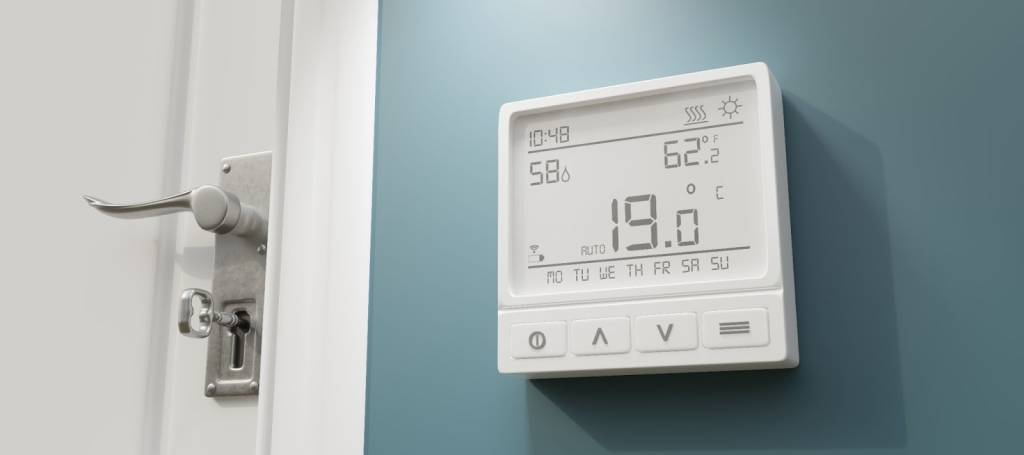
How Programmable Thermostats Lower Monthly Bills
A programmable thermostat reduces energy bills by maintaining consistent temperatures and scheduling heating and cooling. This controlled approach limits unnecessary heating and cooling. Automated schedules replace reactive adjustments. Monthly costs decline through repeated efficiency gains.
Energy Savings During Workday Absences
Many homes remain empty during weekday hours. A programmable thermostat lowers temperatures during these absences. This scheduling choice prevents energy waste in unoccupied spaces. The system resumes comfort settings before residents return. This process runs quietly without manual effort. Over time, weekday savings become noticeable.
Nighttime Temperature Adjustments That Save Energy
Sleeping hours require less heating or cooling. A programmable thermostat automatically applies nighttime setbacks. This controlled reduction lowers system workload. Homeowners stay comfortable with minimal impact. The system restores daytime settings smoothly. Energy savings accumulate overnight.
Consistent Usage That Limits Energy Spikes
Energy bills often spike due to inconsistent usage. A programmable thermostat smooths daily energy demand. This consistency prevents sudden system strain. Homeowners avoid peak usage caused by last-minute changes. This stability supports predictable billing. Controlled patterns improve long-term savings.
Comfort Control With a Programmable Thermostat
Comfort remains a priority for most homeowners. A programmable thermostat balances comfort with efficiency. This balance relies on gradual temperature control. Consistent settings prevent discomfort and waste.
Maintaining Stable Indoor Temperatures
Stable temperatures feel more comfortable than frequent changes. A programmable thermostat avoids sudden adjustments. This controlled operation maintains steady indoor conditions. Homeowners notice fewer hot or cold spots. This consistency supports daily comfort. Energy use remains controlled throughout the day.
Reducing Manual Thermostat Adjustments
Constant manual changes disrupt energy efficiency. A programmable thermostat removes that need. Automated schedules handle daily adjustments reliably. Homeowners avoid second-guessing temperature choices. This simplicity supports consistent comfort. Savings improve through steady operation.
Supporting Comfort During Extreme Weather
Extreme weather increases heating and cooling demands. A programmable thermostat manages these periods more effectively. Gradual adjustments prevent system overload. Homeowners remain comfortable during temperature swings. This approach avoids excessive energy use. Comfort and control remain balanced.
Programmable Thermostat Cost Benefits for Homeowners
Savings extend beyond monthly energy bills. A programmable thermostat supports long-term cost control. Reduced system strain lowers maintenance expenses. Financial benefits grow over time.
Extends HVAC System Lifespan
Frequent cycling wears down heating and cooling equipment. A programmable thermostat limits unnecessary operation. This controlled use reduces mechanical stress. Systems run more efficiently for more extended periods. Fewer repairs minimize maintenance costs. Equipment replacement timelines often extend.
Predictable Energy Spending Over Time
Unpredictable energy bills create budgeting challenges. A programmable thermostat promotes consistent usage patterns. Monthly expenses stabilize across seasons. Homeowners gain clearer cost expectations. This predictability supports better household planning. Financial stress related to utilities decreases.
Reduced Maintenance and Service Calls
Overworked HVAC systems require more frequent service. A programmable thermostat reduces excessive run time. This operational balance lowers wear-related issues. Homeowners schedule fewer repair visits. Maintenance costs decline steadily. System reliability improves over time.
Long-Term Return on Energy Efficiency Investment
Efficiency upgrades often provide lasting value. A programmable thermostat delivers savings year after year. This consistent performance offsets initial costs. Homeowners see continued financial benefits. Energy efficiency supports property appeal. Long-term value strengthens household budgets.
Choosing the Right Programmable Thermostat
Selecting the right programmable thermostat affects ease of use and savings. Features should match household routines. Proper compatibility supports reliable performance. Thoughtful selection improves long-term results.
Scheduling Features That Match Daily Routines
Some thermostats offer simple schedules. Others provide multiple daily settings. Homeowners should consider work hours and lifestyle patterns. Flexible scheduling supports varied routines. This alignment improves energy control. Better fit leads to better savings.
Ease of Use for Everyday Homeowners
Complex controls discourage consistent use. A programmable thermostat should feel intuitive. Clear displays support confident adjustments. Homeowners interact with the system more effectively. This usability encourages regular scheduling. Energy efficiency improves through proper use.

Compatibility With Existing HVAC Systems
Not all thermostats work with every system. Compatibility affects installation and performance. Homeowners should confirm system requirements. Proper pairing supports accurate temperature control. This preparation avoids future issues. Reliable operation depends on correct selection.
How Home Thermal Lag Impacts Energy Savings
Thermal lag refers to how slowly a home responds to temperature changes. This delay depends on insulation, layout, window placement, and outdoor conditions. A programmable thermostat must work with that delay rather than fight it. Proper scheduling reduces system strain and wasted energy.
Understanding How Long Your Home Holds Heat
Every home retains heat and cool air at a different pace. Older homes often lose conditioned air more quickly than newer homes. This behavior affects how early heating or cooling should start. A programmable thermostat performs better when schedules account for this delay. Starting adjustments too late forces systems to work harder. Better timing reduces energy spikes and improves comfort.
Why Gradual Temperature Changes Save More Energy
Sudden temperature changes demand rapid system output. That demand increases energy use and equipment strain. A programmable thermostat supports gradual shifts instead. This approach allows systems to reach targets efficiently. Homes feel more comfortable during transitions. Energy consumption stays lower throughout the cycle.
Adjusting Schedules Based on Home Size
Larger homes usually experience longer thermal lag. Smaller homes respond more quickly to temperature changes. A programmable thermostat should reflect these differences. One-size schedules rarely work across properties. Custom timing improves system efficiency. Homeowners gain better control with fewer adjustments.
Energy Rate Timing and Programmable Thermostats
Energy costs vary throughout the day in many service areas. Utility providers often charge more during peak demand periods. A programmable thermostat helps shift usage away from those windows. This strategy lowers costs without changing comfort expectations.
How Peak and Off-Peak Rates Affect Bills
Peak energy hours usually occur during mornings and late afternoons. During these times, electricity demand increases across neighborhoods. Utility rates rise to manage that demand. A programmable thermostat reduces system use during peak windows. Small timing shifts lower overall costs. Bills reflect these adjustments over time.
Scheduling Around High-Cost Energy Periods
A programmable thermostat allows precise timing control. Homeowners can pre-cool or pre-heat before peak hours begin. This strategy maintains comfort while avoiding expensive usage periods. Systems run less during high-rate times. Energy demand spreads more evenly throughout the day. Cost efficiency improves without lifestyle changes.
Aligning Thermostat Settings With Utility Plans
Many homeowners enroll in time-based utility plans without adjusting habits. A programmable thermostat bridges that gap. This alignment maximizes the value of those plans. Homeowners gain more predictable billing results. Energy use becomes intentional instead of reactive. Long-term savings become more reliable.
Maximize Efficiency Using a Programmable Thermostat
Energy efficiency improves when daily comfort decisions follow a clear plan. A programmable thermostat works best when schedules reflect both household routines and system behavior. HVAC professionals help homeowners fine-tune those settings based on equipment performance and home layout. Reviewing schedules with expert input and allowing automation to handle adjustments creates a reliable path toward controlled energy spending.
Explore practical energy-saving insights and home comfort tips on the Air Maxx of Charlotte, Inc. blog, where informed decisions start.