Heating repair usually comes up when comfort drops, and frustration rises. A system that once worked quietly in the background suddenly becomes a source of concern for homeowners and small business owners alike. Costs feel uncertain because repairs often happen unexpectedly, especially during colder months when systems work hardest. Business owners also worry about employee comfort and customer experience when the heat fails. Clear, realistic pricing insight gives property owners the confidence to respond calmly rather than react under pressure.
Heating Repair Cost Overview
Heating repair costs refer to the total amount required to restore a heating system to safe, reliable operation. These costs typically combine labor, replacement parts, and service-related fees charged during diagnosis and repair. Pricing varies because heating systems differ widely in size, fuel type, and overall condition. Understanding what drives these costs helps property owners approach repairs with clearer expectations.
What Heating Repair Services Typically Include
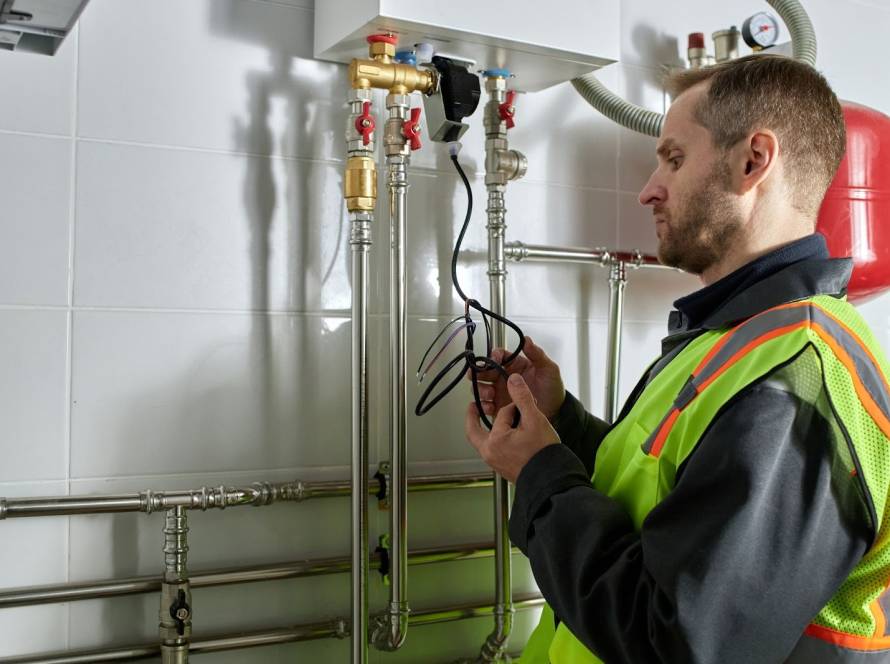
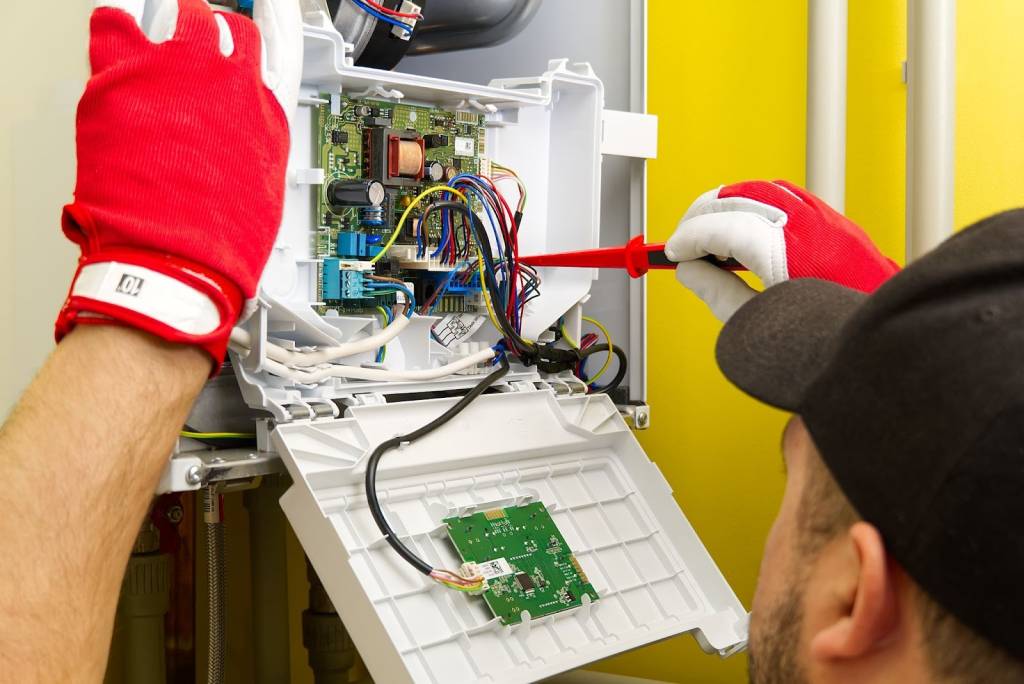
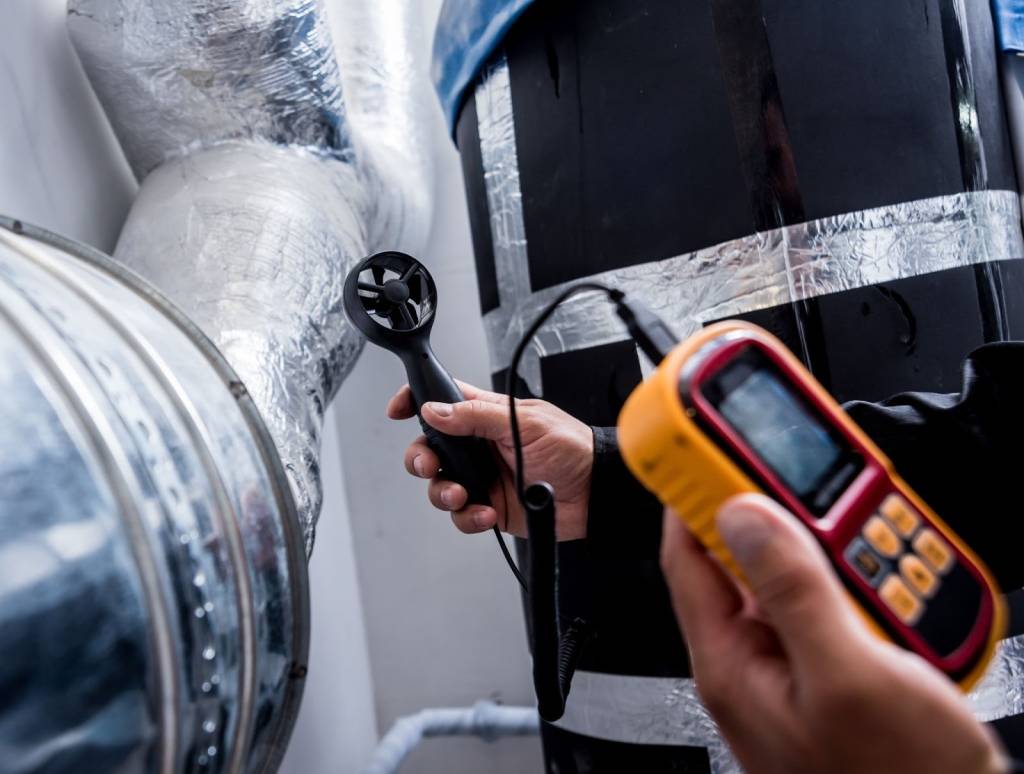
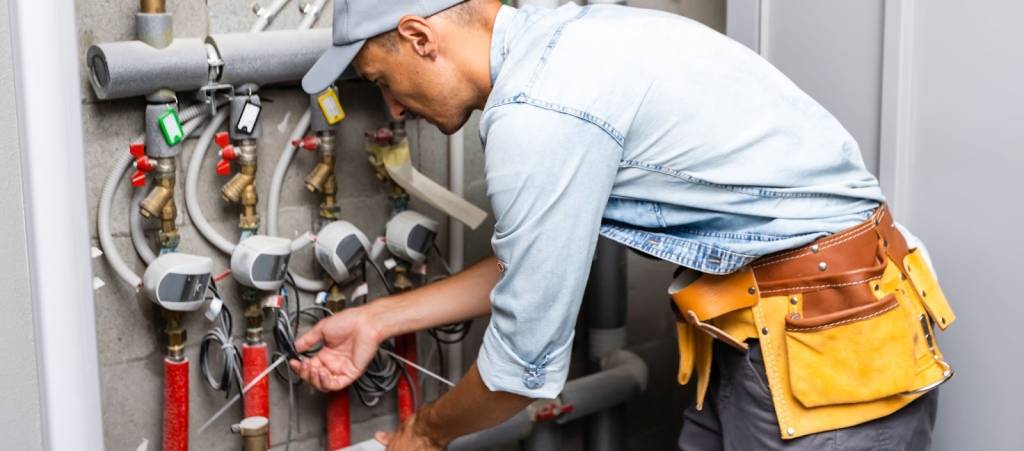
Heating repair services begin with a detailed system evaluation to identify performance or safety issues. Technicians check electrical connections, airflow, fuel delivery, and internal safety controls during this process. That inspection allows the technician to pinpoint whether the problem is due to wear, misalignment, or component failure. Repairs may include cleaning internal parts, recalibrating controls, or replacing damaged components. After completing the work, technicians test the system to confirm proper operation. Service documentation usually explains the repair clearly and notes any developing concerns.
Heating Repair Costs for Homes vs. Businesses
Heating repair costs differ between residential and commercial properties because the systems serve different demands. Residential systems are usually smaller and easier to access, which reduces labor time. Commercial systems often operate at higher capacities and involve more complex controls. These systems also require stricter safety and compliance checks. Business owners may face higher costs due to longer service times. Downtime concerns further influence pricing for commercial repairs.
How Heating Repair Pricing is Structured
Heating repair pricing follows a structured approach based on effort, expertise, and materials. Heating service providers typically assess the system before offering a final estimate. That assessment helps determine both the complexity of the issue and the time required to resolve it. Clear pricing structures allow owners to compare service options more confidently.
Labor and Parts
Labor costs reflect the technician’s time, training, and licensing requirements. Parts pricing depends on system compatibility and part availability. Some heating systems require manufacturer-specific components, which can increase costs. Labor time rises when repairs involve disassembly or difficult access points. Accurate diagnosis reduces unnecessary part replacement. Itemized estimates help owners understand how costs are distributed.
Regional and Seasonal Pricing Factors
Heating repair costs often vary by geographic location. Labor rates differ based on local market conditions and cost of living. Seasonal demand increases during colder months when service requests rise sharply. High demand can affect scheduling availability and response time. Local regulations may require additional compliance steps during repairs. These factors collectively shape final pricing.
Average Heating Repair Cost Ranges
Heating repair costs usually fall within recognizable ranges depending on the type of issue. Minor repairs remain relatively affordable when addressed promptly. More extensive maintenance increases costs due to added labor and specialized parts. Knowing these ranges helps owners evaluate estimates more effectively.
Typical Heating Repair Cost Ranges
Most heating repair visits fall within the low- to mid-three-figure price range, with national averages often landing between $150 and $600. Simple fixes, such as thermostat replacements, commonly range from $100 to $300 depending on the model and wiring needs. Electrical faults usually cost between $200 and $500 because they require extended diagnostic time. Repairs involving blower motors or control boards often reach $400 to $900 due to part pricing and labor. Emergency service typically adds a premium that can increase costs by 25 to 50 percent. These figures reflect general market data and may vary based on location, season, and system condition.
Heating Repair Costs by System Type
Heating repair costs vary by system type, with furnaces averaging $150 to $500 for common repairs. Boilers tend to cost more, often ranging from $300 to $1,000, due to specialized components and longer service times. Heat pump repairs commonly fall between $250 and $850 because refrigerant handling increases technical complexity. Ductless mini-split systems usually range from $300 to $900 due to sensitive electronics and proprietary parts. Commercial heating systems often exceed $500 and can surpass $1,500 depending on size and configuration. These averages reflect typical service scenarios and remain subject to change based on market conditions and system specifics.
Common Heating Problems and Repair Costs
Heating systems tend to fail in predictable ways as components age or are subjected to heavy use. Cold weather places added strain on parts that already operate continuously. Recognizing common issues helps owners anticipate both repair needs and associated costs. Prompt attention often prevents problems from escalating.
Thermostat and Electrical Heating Repairs
Thermostat issues disrupt communication between the system and temperature controls. Electrical problems can prevent heating systems from responding correctly. Control boards regulate safety functions and operational timing. Diagnosing these issues requires careful circuit testing. Repairs typically remain within moderate cost ranges. Advanced thermostat systems may increase costs due to compatibility issues.
Blower Motor and Fan Assembly Repairs
Blower motors move heated air throughout the building. When motors fail, airflow weakens or stops altogether. Repair involves electrical testing and component removal. Replacement motors cost more than basic parts. Labor time increases due to system disassembly. Comfort declines quickly during blower failure.
Heat Exchanger and Safety Sensor Issues
Heat exchangers safely contain combustion gases within the system. Cracks or damage create serious safety risks. Sensors monitor temperature and airflow to prevent overheating. Repairs require thorough inspection and testing. Replacement costs rise due to the labor intensity of the work. Safety compliance strongly influences pricing.
Labor and Service Fees in Heating Repair
Labor represents a substantial portion of heating repair costs. Technicians rely on training and certification to handle complex systems. Diagnostic time directly affects the final bill. Clear explanations of labor charges reduce confusion.
Hourly Labor Rates
Labor rates reflect technician expertise and licensing requirements. These rates also cover insurance and professional training. Diagnostic work counts toward total labor time. Complex systems require more extended service visits. Commercial properties often face higher labor pricing. Estimates usually outline expected hours clearly.
Diagnostic and Service Call Fees
Service call fees cover travel and initial system evaluation. Diagnostic charges account for technical testing and analysis. Some providers apply these fees toward completed repairs. This pricing model supports accurate problem identification. Asking questions upfront improves transparency. Written estimates help avoid misunderstandings.
Emergency Heating Repair Cost Considerations
Heating emergencies require immediate attention to restore comfort and safety. Emergency service prioritizes rapid response over standard scheduling. Faster service increases operational costs. Understanding this pricing difference helps owners prepare.
After-Hours Pricing
After-hours heating repair includes evenings and weekends. Technicians adjust schedules to respond quickly. Travel logistics often increase labor time. Parts availability can affect completion speed. Pricing reflects urgency and readiness. Emergency service restores heat promptly.
Commercial Heating Emergency Costs
Commercial heating emergencies disrupt daily operations. Larger systems require longer diagnostic processes. Temporary heating solutions may be necessary. Downtime costs often outweigh repair fees. Coordinated service reduces operational impact. Pricing reflects system scale and urgency.
Factors That Increase Heating Repair Costs
Several factors contribute to rising heating repair expenses. System design and age play significant roles. Maintenance habits also influence outcomes. Awareness helps control long-term spending.
System Age and Wear Impact
Older heating systems contain components nearing the end of service life. Wear increases the likelihood of breakdowns. Replacement parts may be more complex to source. Labor time increases with outdated designs. Efficiency gradually declines over time. Repair costs rise as a result.
Effects of Skipped Heating Maintenance
Neglected systems accumulate dirt and debris internally. Restricted airflow places strain on components. Minor issues develop into extensive failures. Safety risks increase without regular inspections. Maintenance reduces emergency repair frequency. Skipped service raises overall costs.
Heating Repair vs. System Replacement Costs
Repair decisions often lead owners to consider replacement options. Cost comparison helps guide practical choices. Owners must weigh repair frequency against long-term value. Each option carries distinct financial implications.
When Heating Repair Makes Financial Sense
Heating repair remains practical for newer systems. Single-component failures often justify repair. Warranty coverage reduces out-of-pocket expenses. Repairs restore performance efficiently. Energy usage remains stable after service. Downtime stays limited.
Signs Replacement is More Cost-Effective
Repeated repairs signal declining reliability. Repair expenses accumulate steadily. Utility bills often rise as systems age. New systems offer improved efficiency. Replacement reduces ongoing service needs. Long-term savings influence decisions.
Managing Heating Repair Costs Strategically
Heating repair costs remain manageable with thoughtful planning. Preventive care reduces financial strain. Choosing experienced providers improves outcomes. Consistent service supports reliability.
Preventive Heating Maintenance Benefits
Routine inspections detect issues before they cause failure. Cleaning improves airflow and efficiency. Adjustments stabilize system performance. Maintenance reduces emergency service calls. Service plans provide predictable costs. Regular care extends the system’s lifespan.
Choosing a Reliable Heating Repair Company
Licensed providers follow established safety standards. Experience improves diagnostic accuracy. Transparent pricing builds trust. Customer reviews reflect service quality. Repair warranties add confidence. Clear communication sets expectations.
Schedule Heating Repair Before Comfort Slips
Heating repair decisions shape how reliable and comfortable a property feels during demanding seasons. Minor warning signs rarely resolve on their own, and waiting often turns manageable issues into costly disruptions. Professional evaluation brings clarity, restores dependable performance, and protects daily routines for homes and small businesses. Reaching out for qualified heating repair service keeps control in your hands rather than leaving comfort to chance.
Find expert-backed heating repair explanations and service clarity on the Air Maxx of Charlotte, Inc. blog today.